
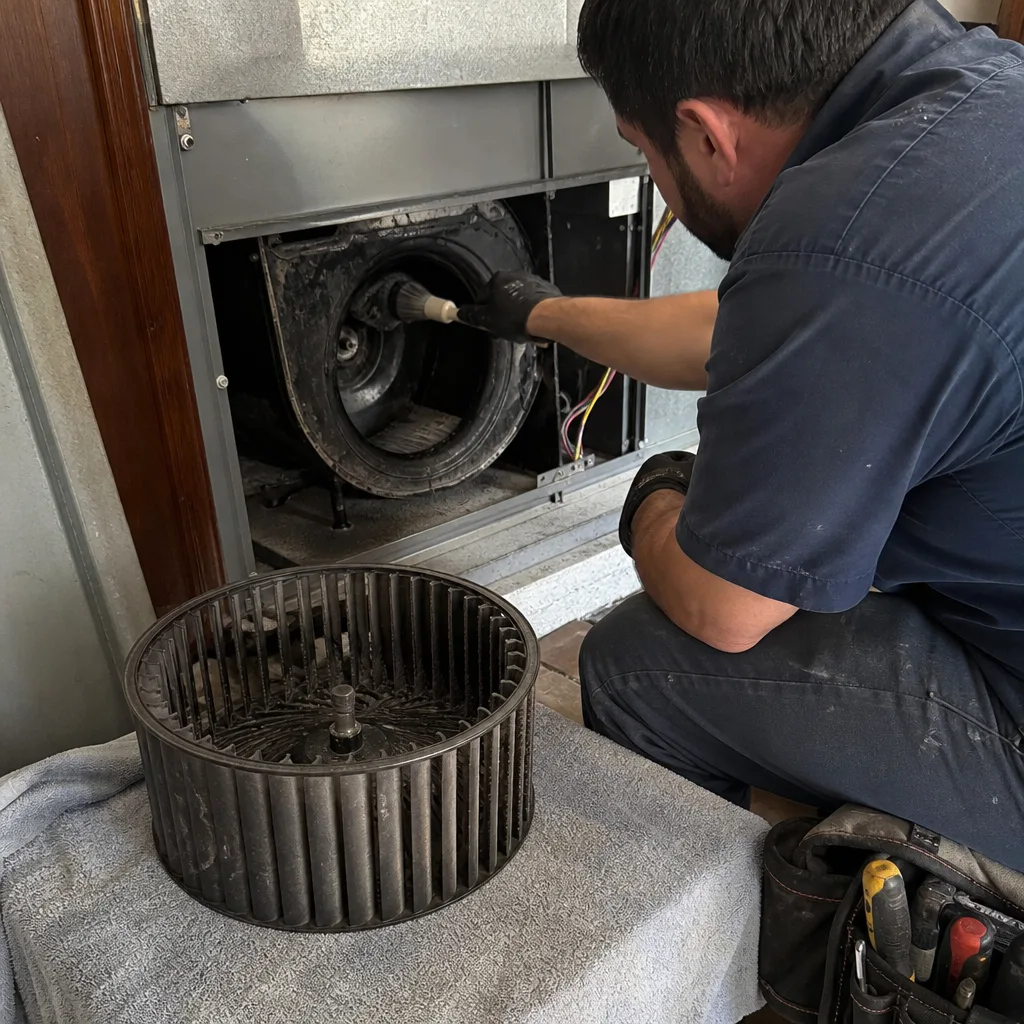
Last updated November 23, 2026
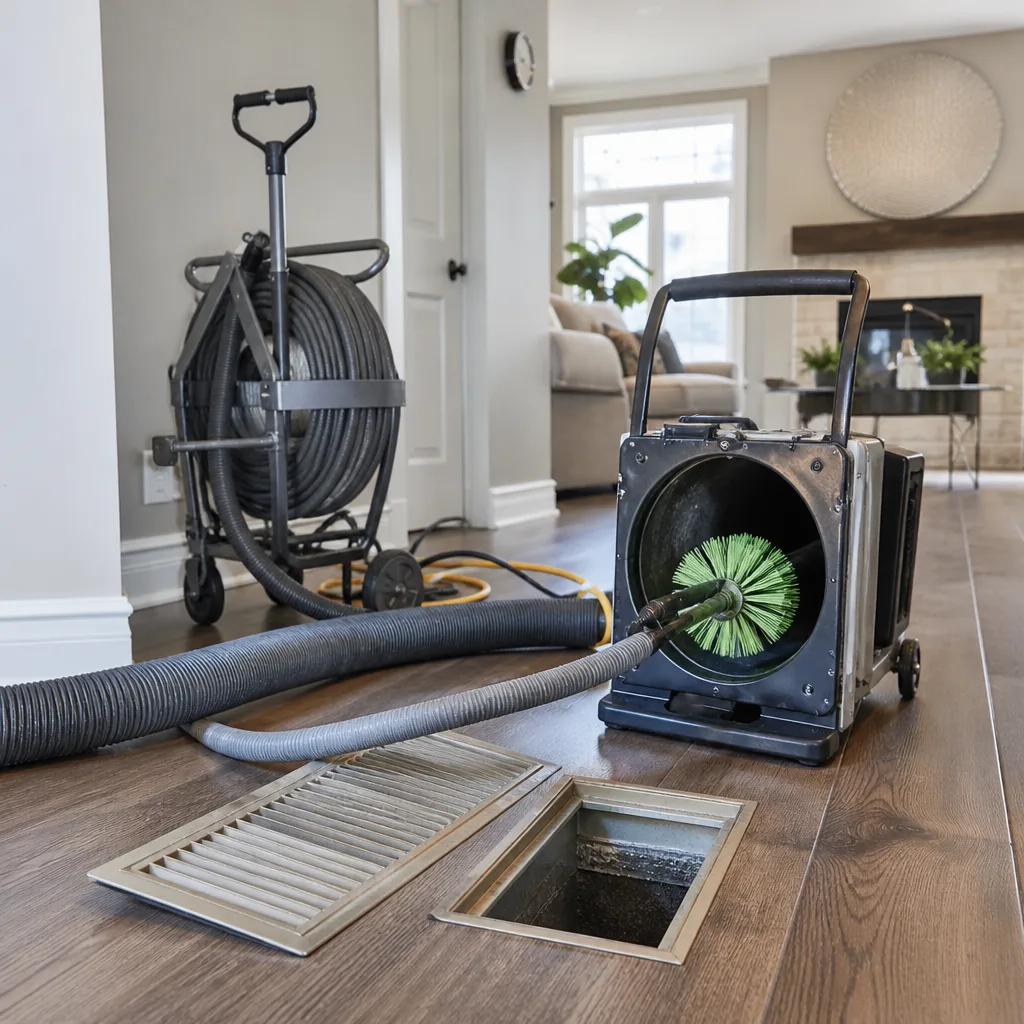 Whole-home duct cleaning
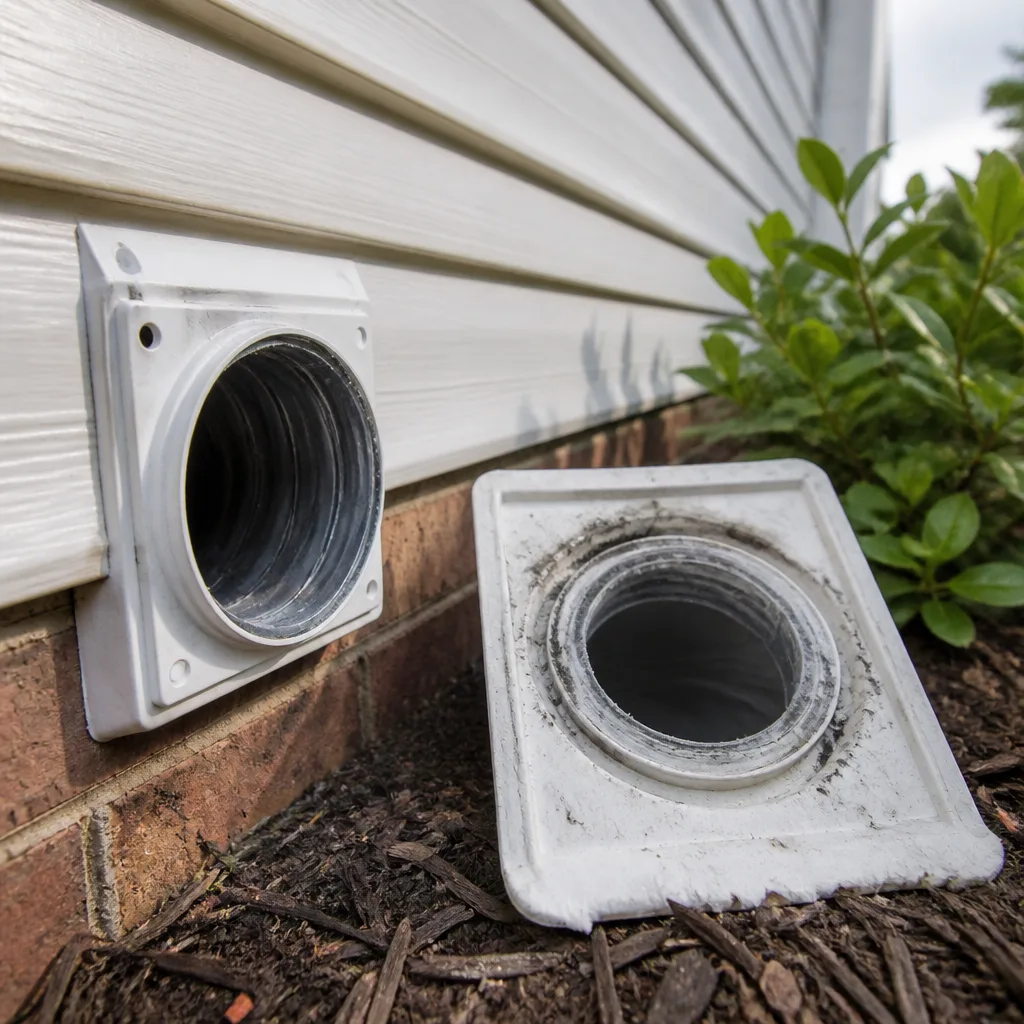 Dryer vent cleaning
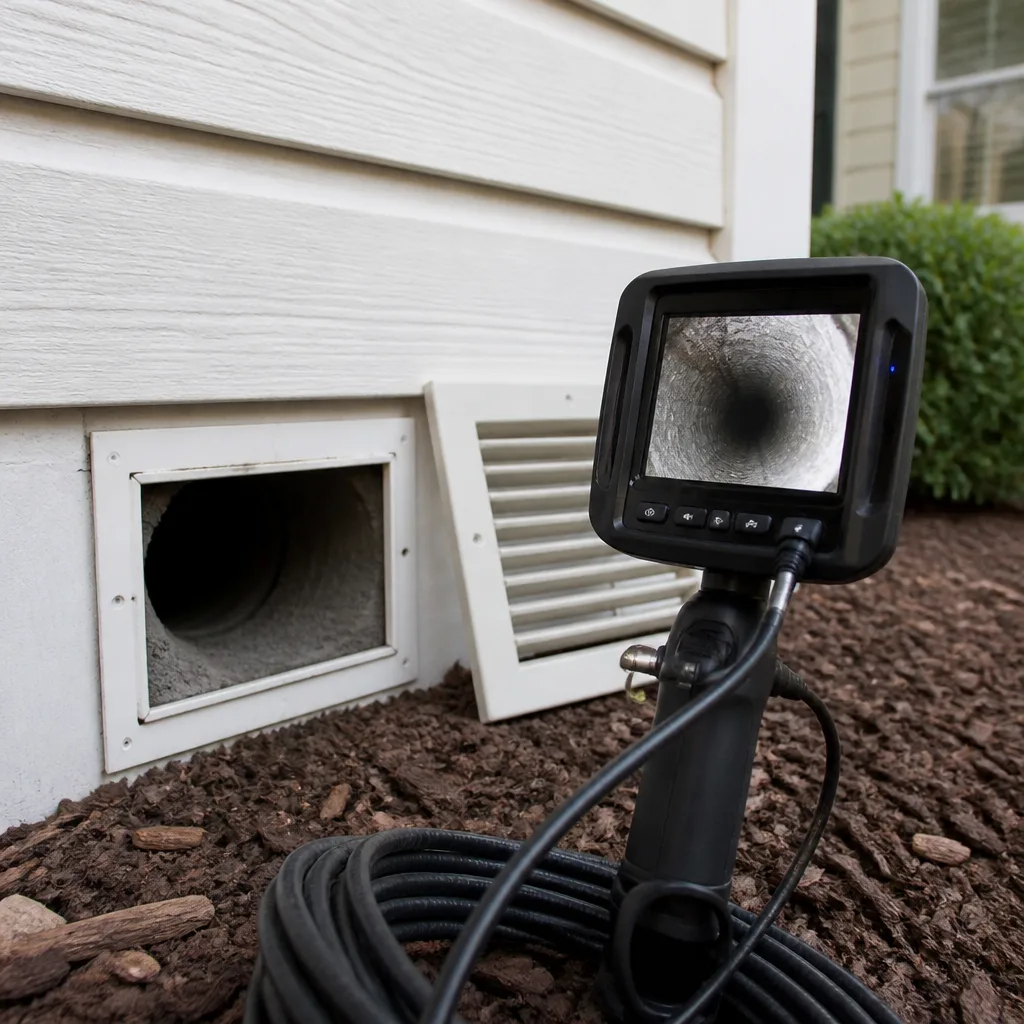 Camera inspection
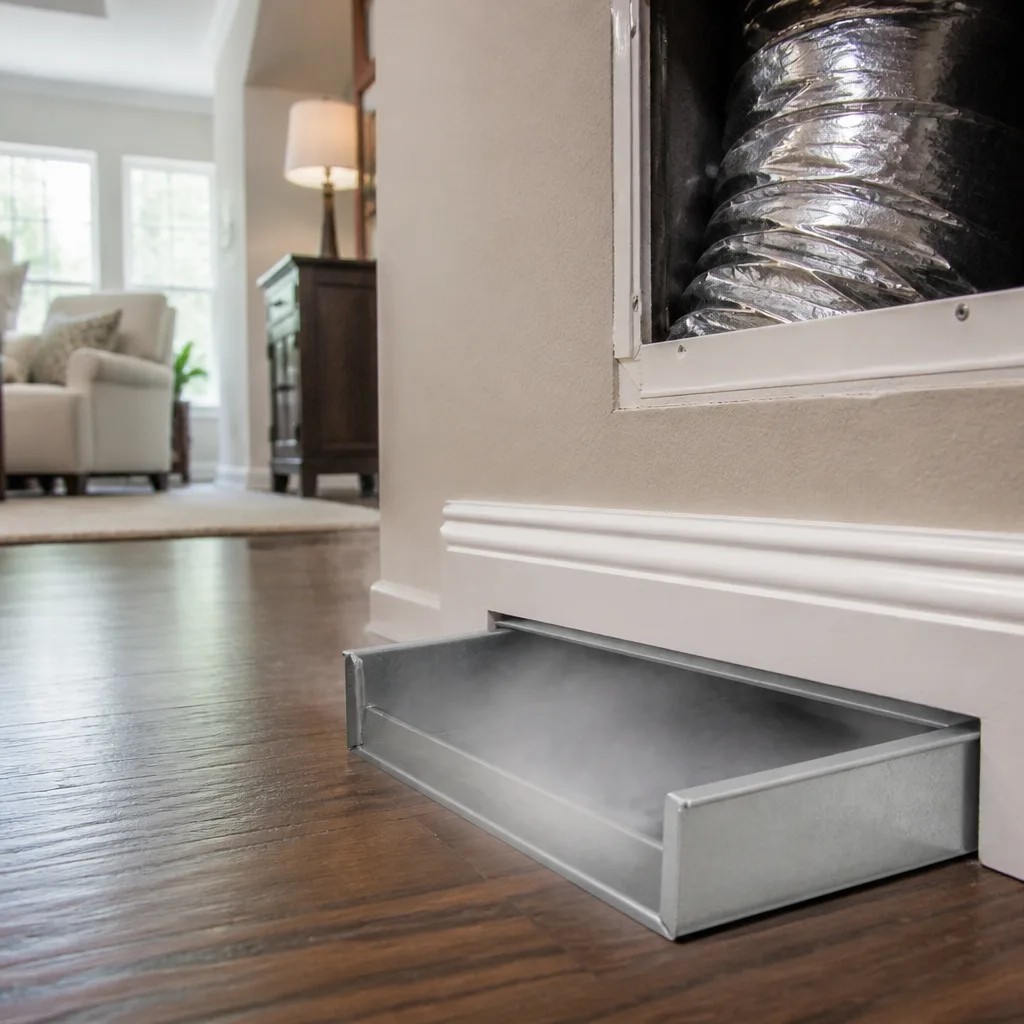 Sanitizing & deodorizing
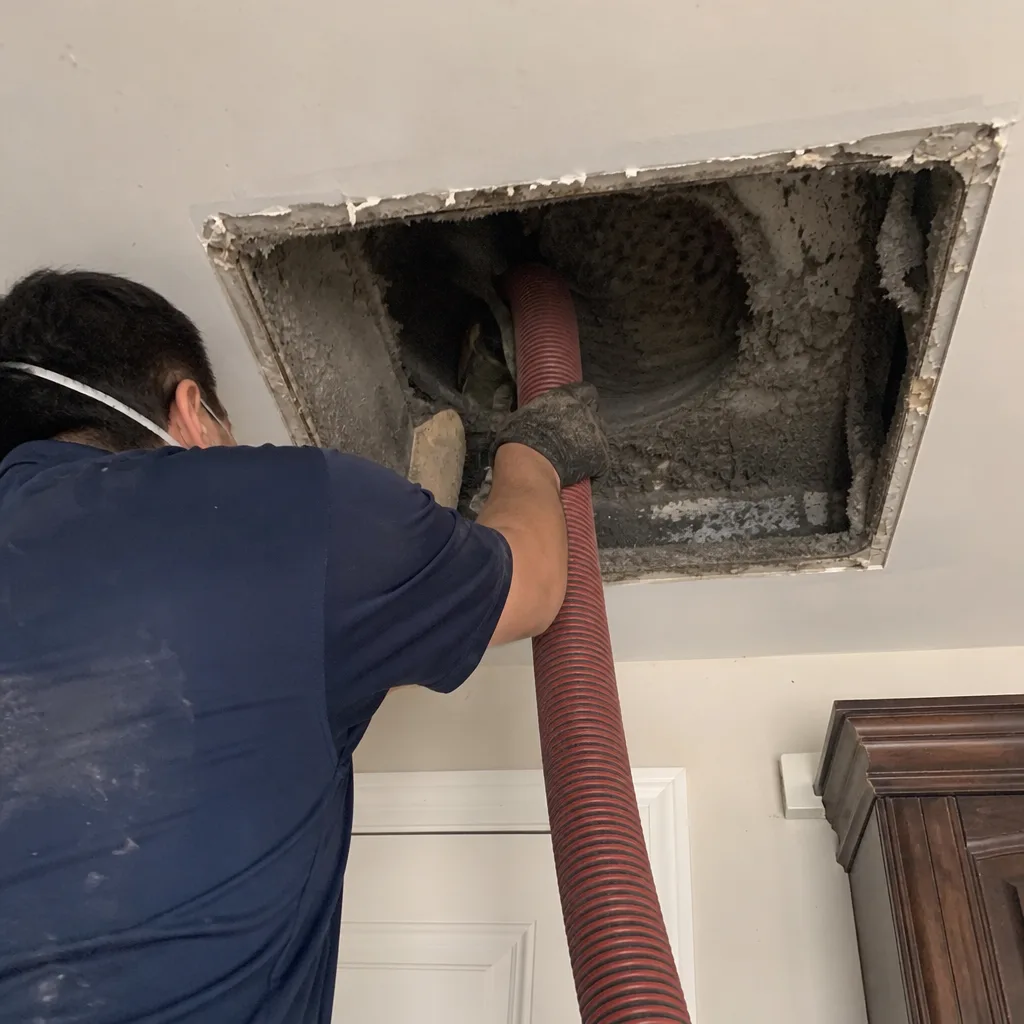
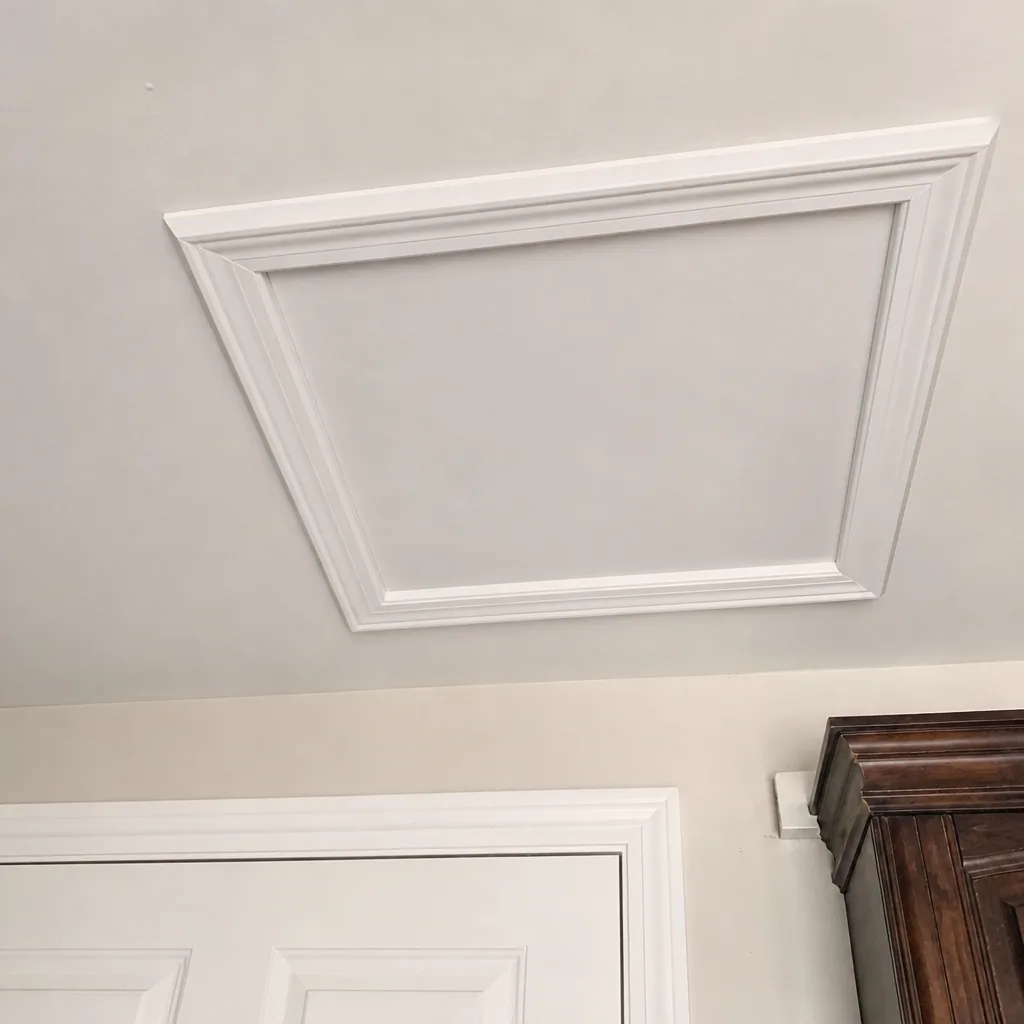
Whole-system duct and dryer vent check with before-and-after photos - you see exactly what came out of your vents
That "$99 whole-house special" is a bait ad - the real number appears once they are in your hallway, or the "clean" is a shop-vac at the register. We photograph the inside of your ducts before and after instead.
Air Duct Cleaning Warning Signs: A Lake Highlands Homeowner’s Reference Guide
Most duct-cleaning advice points at the obvious: dust on the ceiling fan, a visible puff at a register, a vague sense that the air feels stale. In our experience, those are the last signals to show up, not the first. The earliest clues are quieter and easy to walk past. If one room in your home is always 5 – 8 degrees warmer than the rest, you likely have a duct problem, not an equipment problem. Those are two very different diagnoses with two very different price tags. This guide covers the non-obvious signals Lake Highlands homeowners tell us they almost missed: uneven room temperatures, filter change frequency, airflow pressure, smell profiles, and what a climbing electric bill in steady weather actually points to.
Quick Answer
The most reliable air duct cleaning warning signs are uneven room temperatures of 5 – 8 degrees or more, filters that clog faster than monthly, weak or uneven airflow at registers, musty or chemical odors that get stronger when the system runs, and electric bills that jump while the weather holds steady. In Lake Highlands, these usually point to duct leakage, disconnected flex duct, or return-side contamination rather than a failing HVAC unit. A free inspection is the only way to tell which.
Styles & brands we work with
- Whole-home duct cleaning
- Dryer vent cleaning
- Camera inspection
- Sanitizing & deodorizing
Table of Contents
- Uneven Room Temperatures: The First Warning Sign
- Smell Profiles: Four Odors and What Each One Means
- Why Your Electric Bill Climbs When the Weather Doesn’t
- Accelerated Filter Clogging and What It Signals
- The Tissue Test: A Simple Airflow Pressure Check
- Signals You Can’t See: Attic Ducts and Humidity
- What a Professional Inspection Actually Checks
- Common Mistakes to Avoid
- Frequently Asked Questions
Uneven Room Temperatures: The First Warning Sign
A single room that runs 5 – 8 degrees warmer or cooler than the rest of the house is the most common duct warning sign we see in Lake Highlands, and it’s the one most often misread as an HVAC sizing problem. It usually isn’t. A properly sized system with sound ducts delivers roughly even temperatures. When one room drifts, the trouble is almost always between the air handler and the register.
There are three typical causes:
- Duct leakage. A seam, joint, or connection in the attic has opened, so conditioned air escapes into the unconditioned space before it ever reaches the room. That room gets less cold air, and the system runs longer trying to keep up.
- Disconnected or collapsed flex duct. Flexible duct runs are a common choice in North Texas attic installations, and they can kink, sag, or pull free at a collar. A disconnected run dumps cool air into the attic, not the bedroom.
- Blocked or undersized runs. Debris, a crushed section, or a run that was never sized right starves the far end of the system. The room nearest the air handler is comfortable; the farthest one never is.
Why does this matter beyond comfort? A system working harder to cool a room that won’t cool draws more electricity and adds wear to the blower and compressor. In a Lake Highlands home, attic ducts sit in one of the hottest spaces in the house for most of the year, and a leak that loses cool air into a 130-degree attic is expensive in a way a leak in a cooler climate would not be. If one room is stubborn and the thermostat is set the same as always, that’s a duct diagnosis worth ruling in before anyone suggests replacing equipment.
Smell Profiles: Four Odors and What Each One Means
Smell is the most underused duct diagnostic tool a homeowner has, because different odors point to different problems. Learn to read the profile and you can describe it clearly when you call. The key question is always the same: does the smell get stronger when the system runs, or fade when it’s off? A smell that tracks the blower is coming from the ducts, not the room.
- Musty or damp odor. This usually means moisture inside the system. It can come from condensate problems, high attic humidity, or organic growth on duct surfaces. A musty smell that strengthens each time the air kicks on points to the supply or return side and warrants a load-check inspection, not a quick spray.
- Burning-dust smell, first heat of the season. A faint smell at the first heat cycle is normal: dust settles on the heat exchanger over the off-season and burns off once. If it continues past the first cycle or comes back mid-season, the duct and HVAC system are coating the heat exchanger faster than they should, which points to a dirty system or heavy debris loading.
- Chemical or plastic odor. Newer construction and recently installed duct materials can off-gas a faint plastic smell. It should fade. A persistent chemical smell in an older home can point to degraded duct liner or insulation inside the system and is worth checking.
- Animal or organic odor. A sharp, sour, or urine-like smell usually means pests have gotten into the duct system, or something has died in an attic run. This is one of the strongest reasons to call a professional rather than wait.
In Lake Highlands, where summer humidity and attic heat both run high, musty smells are the most common complaint we field. If you notice a smell profile change, note the specific odor, when it appears, and whether it tracks the system. That’s the most useful information you can hand a technician.
Why Your Electric Bill Climbs When the Weather Doesn’t
A rising electric bill is easy to blame on the HVAC unit, but if the bill climbs while the weather holds steady, the duct system is the likelier culprit. Here’s the mechanism: a duct system that’s leaking 20% of its air into an unconditioned attic has to push 20% more air to deliver the same cooling. The blower runs longer, the compressor cycles more, and the meter spins faster even though nothing about your routine changed.
In Lake Highlands, attic ducts sit inside a space that can run far hotter than the outdoor temperature, so every cubic foot of air that leaks before the register is money spent cooling a space you’ll never use. A homeowner comparing two similar months of usage can spot this. If the bill jumps 10 – 15% with no change in weather, thermostat setting, or household size, a duct leak is worth ruling out before anyone quotes a new compressor.
- Stable weather, rising bill. Points to leakage or a failing component. A leak is the cheaper of the two to fix.
- Bill climbs with outdoor temperature. Usually a normal load curve, not a duct problem.
- Bill climbs and one room runs hot. Strong pattern for a disconnected or leaking run on that side of the house.
What we can do that cleaning alone can’t is repair and seal the leaks a cleaning reveals. That’s the service most cleaning-only operators don’t offer, and it’s the one that actually stops the energy loss at the source.
Accelerated Filter Clogging and What It Signals
If you’re changing your HVAC filter more than once a month, that’s not a filter problem. That’s a duct system problem. A healthy system with a standard filter should hold up close to the manufacturer’s recommended interval. When a filter loads up in two weeks, something in the duct system is feeding it debris faster than normal.
There are two usual explanations, and both are worth a professional look:
- Return-side contamination. Dust, debris, or construction residue in the return duct is being pulled straight into the filtration stage. That’s debris that has been sitting in the system for a long time and is now being delivered to the filter.
- Duct bypass. Air is leaking past the filter housing from cracks, gaps, or loose panels, so unfiltered air gets into the system and the filter never sees it, or works overtime trying to catch the extra load.
In Lake Highlands homes with attic air handlers, return leaks are common because return runs often travel long distances through hot attic space. Accelerated clogging is also a tell for ducts that haven’t been professionally cleaned in a long time. The filter is catching what the ducts are shedding, and that’s a sign the source needs addressing, not the filter. When a filter change feels like a monthly chore, that’s the moment to schedule an inspection and know what’s going on inside the system.
The Tissue Test: A Simple Airflow Pressure Check
Here’s a do-it-yourself check that tells you more than a visual inspection: the tissue test. It takes about ten minutes and gives you a clear picture of whether your duct system is balanced or under pressure.
- Cut a thin strip from a tissue, about an inch wide and four inches long.
- With the system running, hold the strip near, but not touching, the face of each supply register in the house.
- Note how strongly the tissue pulls toward the register in each room. A healthy balanced register pulls firmly and evenly. A weak register barely tugs.
- Compare across rooms. If one register is noticeably weaker than the rest, that run is starved for airflow.
- Then test the return grille. A strong, steady pull is normal. If the return pull is weak, or if air leaks back out of it, that’s a sign of pressure imbalance.
- Finally, hold the tissue near the register face while the system runs and watch for pattern: a consistent pull is clean; a pulsing or fluttering pull can indicate a partially collapsed or disconnected run.
The tissue test is a pressure test, not a diagnostic. It doesn’t tell you exactly what’s wrong, but it will tell you whether to stop looking at room temperatures alone and book an inspection. In Lake Highlands flex-duct systems, a weak register at the far end of a long attic run is a strong clue the run has pulled loose or crushed. Catching it early beats discovering it when the run is fully disconnected.
Don’t attempt to fix duct connections yourself, especially in the attic. Flex duct comes apart easily and goes back together poorly, and a bad reconnection creates a worse leak than the one you started with. That’s a job for someone with the right equipment.
Signals You Can’t See: Attic Ducts and Humidity
Some of the most telling warning signs live where you can’t see them, and in Lake Highlands the attic is where they show up. Most homes here have supply and return ducts running through an attic space that reaches extreme temperatures for most of the year. That’s a tough environment for duct insulation, joints, and flex runs, and it’s where leaks do the most damage.
- Condensation on or near registers. A sweating register during the cooling season can point to a duct or insulation problem. It’s usually a sign of an air-leak cool spot meeting warm, humid room air.
- Dusty attic air. If you’ve noticed dust settling in the attic or on attic surfaces near the air handler, that’s debris escaping a leaking run.
- Insulation gaps around collars. Duct tape and mastic degrade over time. A visual inspection of the collars is one of the first things a technician checks.
- Mold or dark staining on duct jacketing. Any visible growth on the exterior surface of duct runs is worth professional inspection before it spreads.
Professional-grade equipment matters here. Rotobrush and Nikro mechanical cleaning systems handle the actual removal; Abatement Technologies filtration units contain the dust and contaminants so they don’t redistribute into the home. That’s the difference between cleaning that helps and cleaning that just stirs things up. For a full look at the cleaning stage, see air duct cleaning.
What a Professional Inspection Actually Checks
A proper inspection is more than a flashlight and a glance into a register. When a trained technician inspects a Lake Highlands home, the check covers the whole system, not just the visible sections. Here’s what a real inspection includes:
- Supply and return runs. Every reachable run is checked for kinks, collapses, disconnects, and debris loading.
- Register airflow and pressure. The tissue test scaled up with calibrated instruments. Weak registers get traced back to their source.
- Air handler and blower cavity. The blower and evaporator coil area is checked for debris and excess dust loading, which is often a sign of duct contamination upstream.
- Filter and bypass. The filter fit and housing are checked for gaps that let unfiltered air past.
- Attic duct runs and collars. Connections, insulation condition, and any signs of animal intrusion.
- Dryer vent condition. If the dryer vent shares a service visit, it’s checked for lint buildup and safe routing. Dryer vents are a fire-safety concern and deserve their own attention, not a throw-in. More on that in dryer vent cleaning.
That full-system scope is what separates a useful inspection from a sales pitch. If a company only checks the filter and quotes a cleaning, they haven’t seen the system. At Air Duct Cleaning Lake Highlands, our technicians have up to 8 years of experience and are equipped to inspect, clean, sanitize, and, where needed, repair and seal what the inspection reveals. For HVAC components, HVAC cleaning is where the blower and coil get their due. If you want the whole-system view before you decide, start with Air Duct Cleaning Lake Highlands.
Common Mistakes to Avoid
- Blaming the HVAC unit before checking the ducts. A hot room is a comfort symptom. Rule out leakage and disconnects before anyone quotes a compressor replacement.
- Assuming a cheap cleaning will fix a leak. Cleaning removes debris; it doesn’t seal a disconnected run. If the leak isn’t repaired, the dust comes right back.
- Watching for visible dust only. Visible dust is a late sign. Airflow, temperature, filter cadence, and smell are the early ones.
- Reconnecting attic flex duct yourself. A poor reconnection creates a worse leak than the original. Attic access is also a fall risk and heat risk. Leave it to a professional.
- Treating the filter as the problem. A filter that clogs every two weeks is trying to tell you where the debris is coming from. Address the source, not the filter.
- Ignoring a musty smell until it grows. Mustiness usually points to moisture, and moisture doesn’t resolve on its own. Catching it early avoids a bigger job.
- Skipping the dryer vent because the ducts just got cleaned. They’re separate systems and both need attention. Dryer vents are a fire-safety item, not a fresh-air item.
When to Call a Professional
Call a professional when the warning signs overlap, when a room stays hot no matter what the thermostat says, when the filter clogs faster than monthly, when the electric bill climbs in stable weather, or when a musty or animal smell gets stronger every time the system runs. Those signs together almost always mean the problem is inside the duct system, not at the thermostat. A trained eye and the right equipment can find the cause in a single inspection instead of guessing at parts.
A word on safety: if you smell burning or suspect combustion gases near the furnace or air handler, shut the system down and call a qualified HVAC technician immediately. Duct work is low-risk on its own, but the HVAC system and the electrical components that serve it are not do-it-yourself territory. Air Duct Cleaning Lake Highlands offers free estimates in Lake Highlands, and our technicians have up to 8 years of experience. Call (833) 509-5459. We answer 24/7. Fast dispatch from 7am to 7pm, Sunday through Friday.
Frequently Asked Questions
A musty smell that gets stronger when the system runs usually means moisture in the ducts or on their interior surfaces. A burning-dust smell on the first heat cycle of the season is normal, but one that continues or returns mid-season points to heavy debris loading. Both are worth a professional look. For a firm answer on your system, call (833) 509-5459. Estimates are free.
If one room is consistently 5 – 8 degrees off while the rest of the house stays even, the likeliest cause is a duct leak, disconnected run, or undersized branch, not a failing unit. A pressure and airflow check tells you which. You can run the tissue test in ten minutes as a first step. Call (833) 509-5459 to book an inspection. Estimates are free.
If the filter clogs faster after your ducts were cleaned, the cleaning likely didn’t address a duct bypass or a return-side leak. Debris in the surrounding duct system can still be pulled into the filter stage. That’s a signal to have the system checked for leaks, not a reason to clean again. Call us to schedule an inspection. Estimates are free.
Yes, when the ducts are actually dirty. In Lake Highlands, attic ducts run through high heat for much of the year, so they accumulate dust, debris, and sometimes pest intrusion faster than in milder climates. Cleaning is worth doing when it’s combined with repair and sealing of the leaks a cleaning reveals. Cleaning alone, without sealing, leaves the energy loss in place. Call (833) 509-5459 to set up an inspection. Estimates are free.
No. Duct tape and mastic fail over time, and attic duct runs are hard to access and dangerous to work around. A poor reconnection makes the leak worse and pulls unfiltered air into the system. Professional sealing uses the right materials and confirms the seal with a test of the finished system. Our technicians can repair and seal as part of the scope. Call (833) 509-5459 to discuss it. Estimates are free.
Most homes don’t need annual cleaning, but the warning signs in this guide matter more than a calendar. If your filters clog faster than monthly, your rooms run uneven, or your electric bill has jumped in stable weather, those signs point to a real duct problem. It’s worth an inspection. Call (833) 509-5459 for a free estimate and we’ll tell you honestly whether cleaning is needed.
The Bottom Line
The warning signs that matter most in a Lake Highlands home are the quiet ones: uneven room temperatures, a filter that never lasts a month, electric bills that jump in stable weather, smell profiles that track the system, and airflow that a simple tissue test can reveal. Visible dust is a late diagnostic, not an early one. When several signs overlap, the duct system is the likeliest cause, and the fix is usually cleaning plus repair and sealing, not a new HVAC unit. Our team uses professional-grade equipment and confirms the source before recommending work.
If you’ve spotted a couple of these signs, a free estimate is the right next step: Air Duct Cleaning Lake Highlands, (833) 509-5459. We answer 24/7. Fast dispatch from 7am to 7pm, Sunday through Friday.
Written by the team at Air Duct Cleaning Lake Highlands.
See the difference
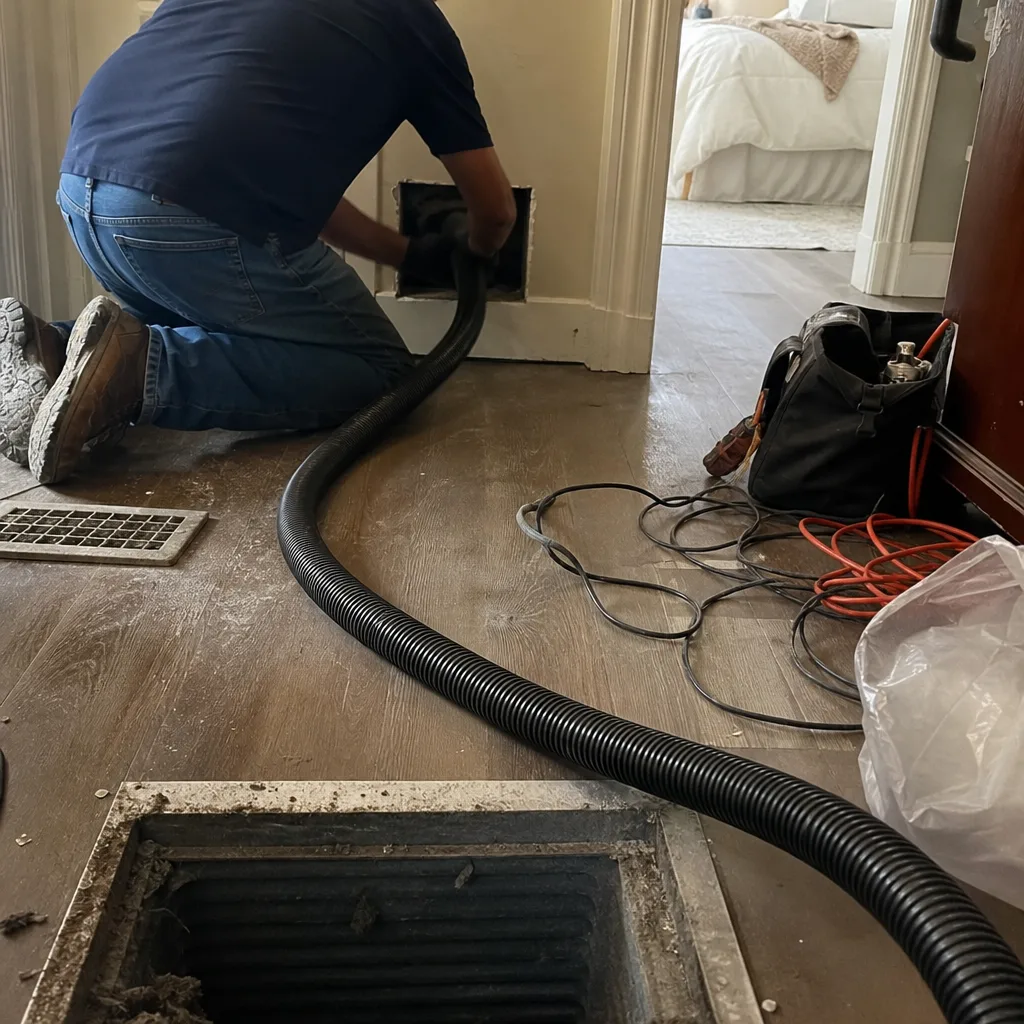 Before
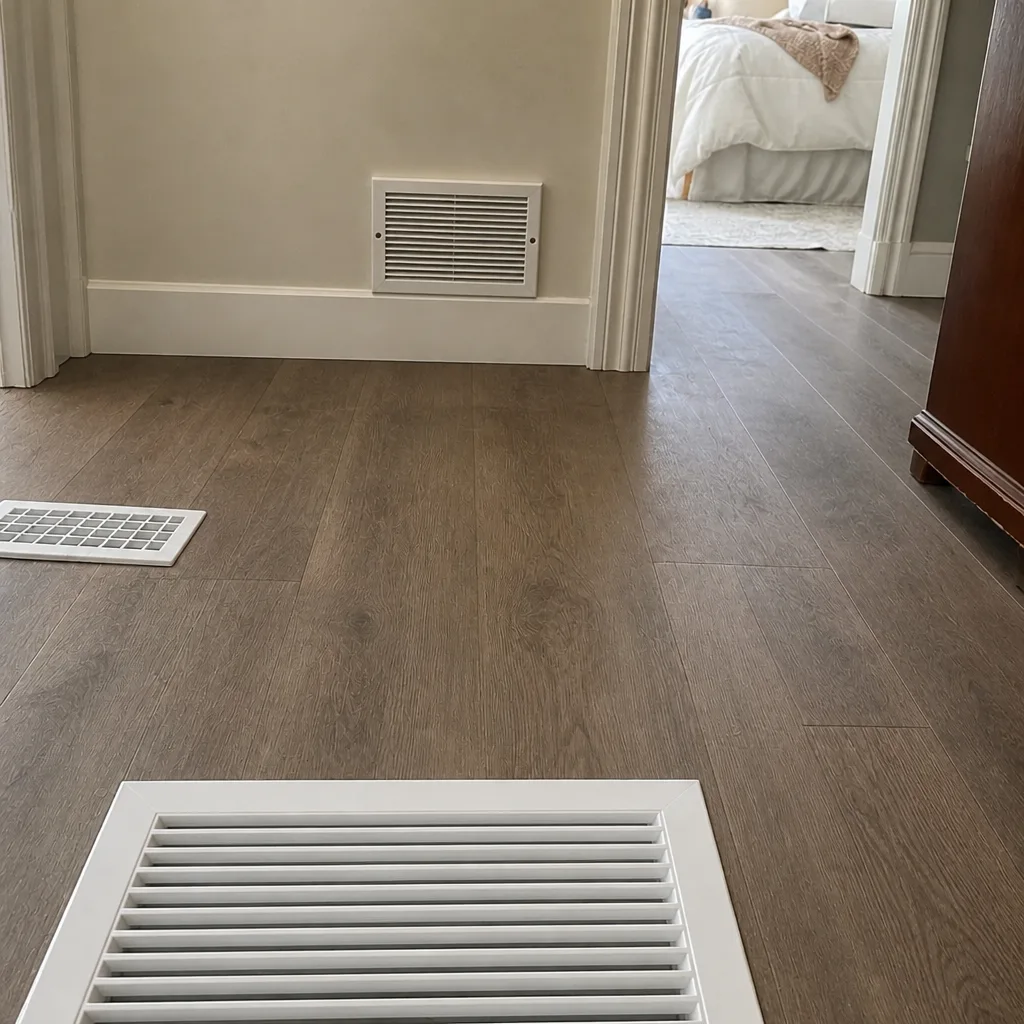 After
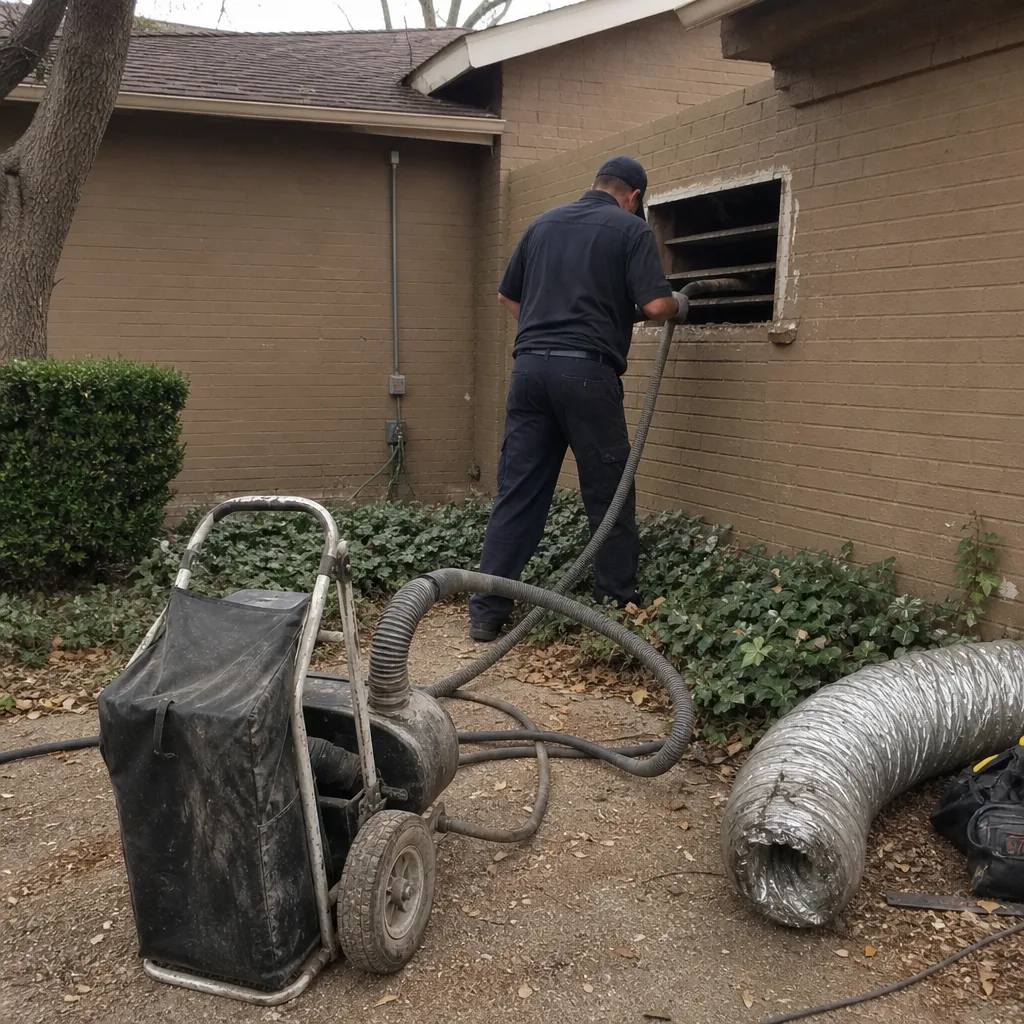 Before
 After
 Before
 After