
Last updated November 23, 2026
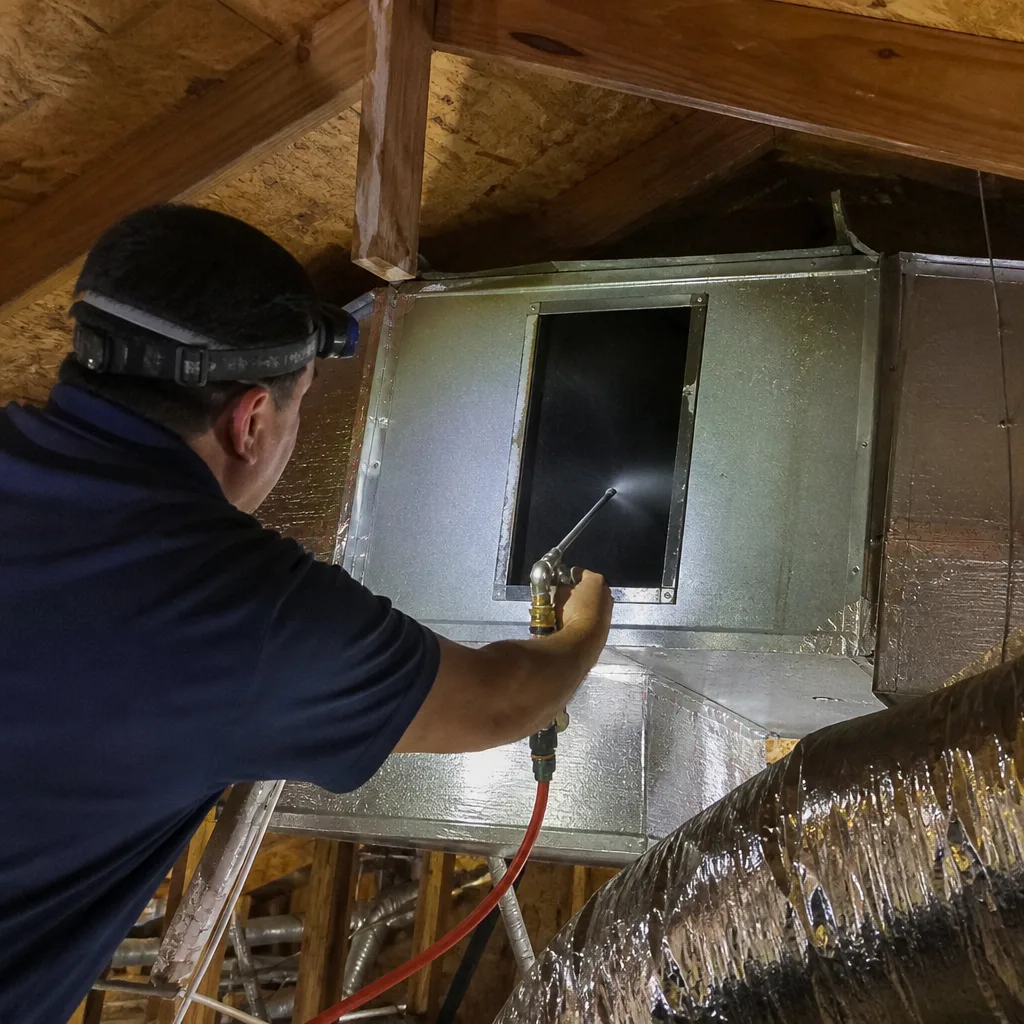
 Whole-home duct cleaning
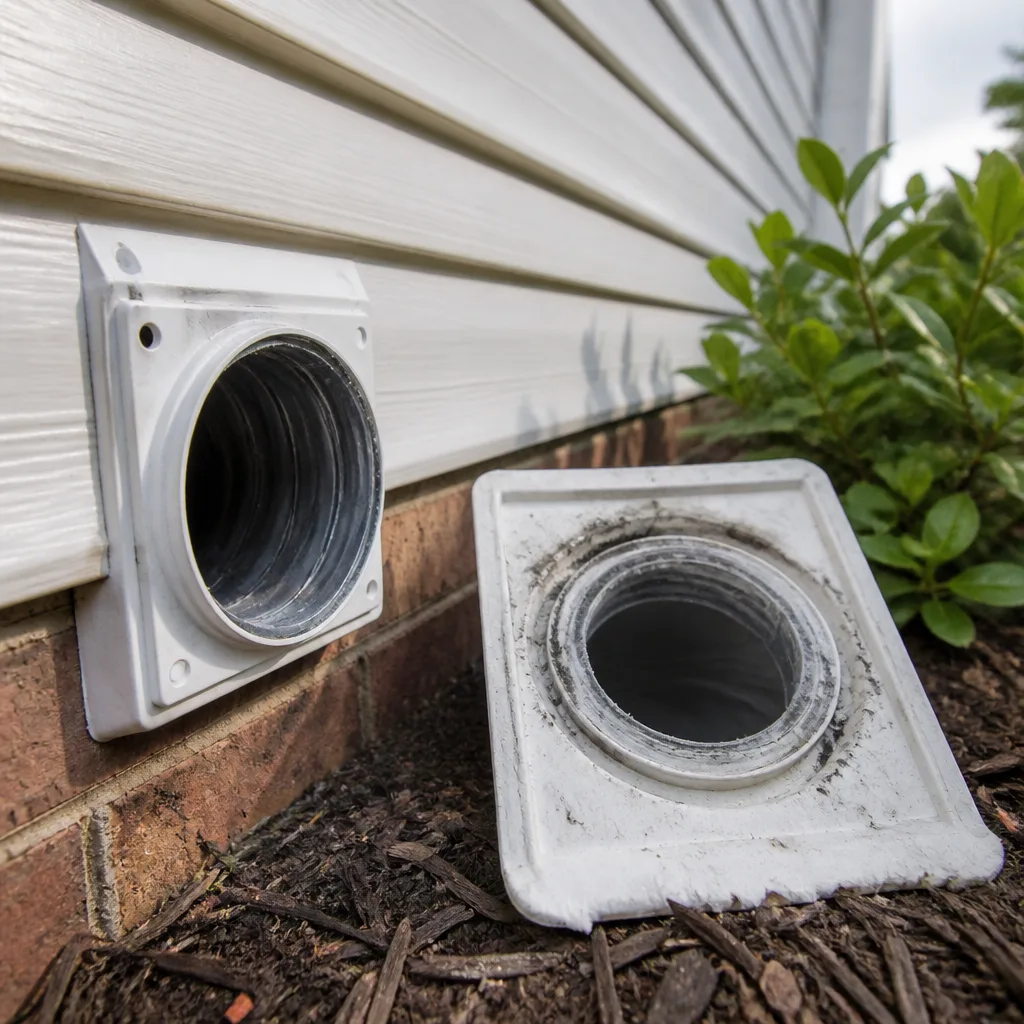 Dryer vent cleaning
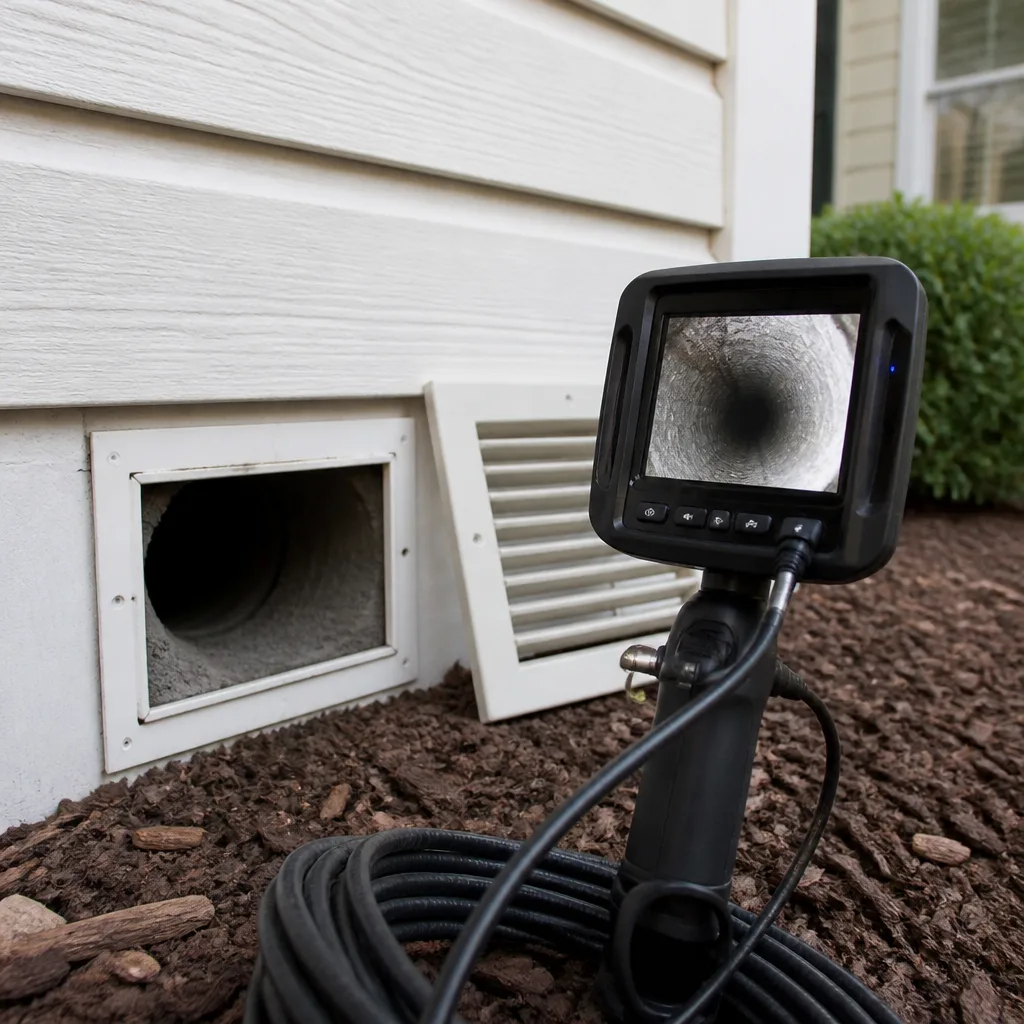 Camera inspection
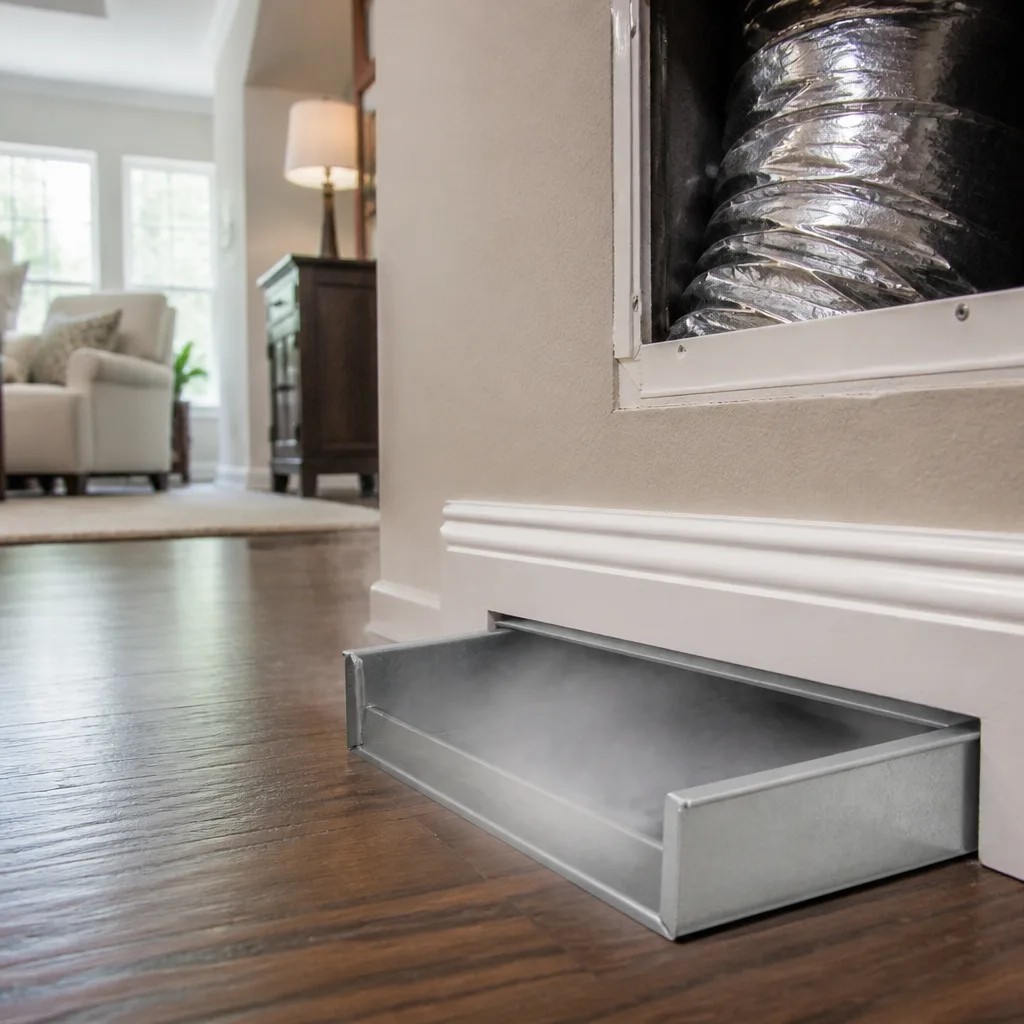 Sanitizing & deodorizing
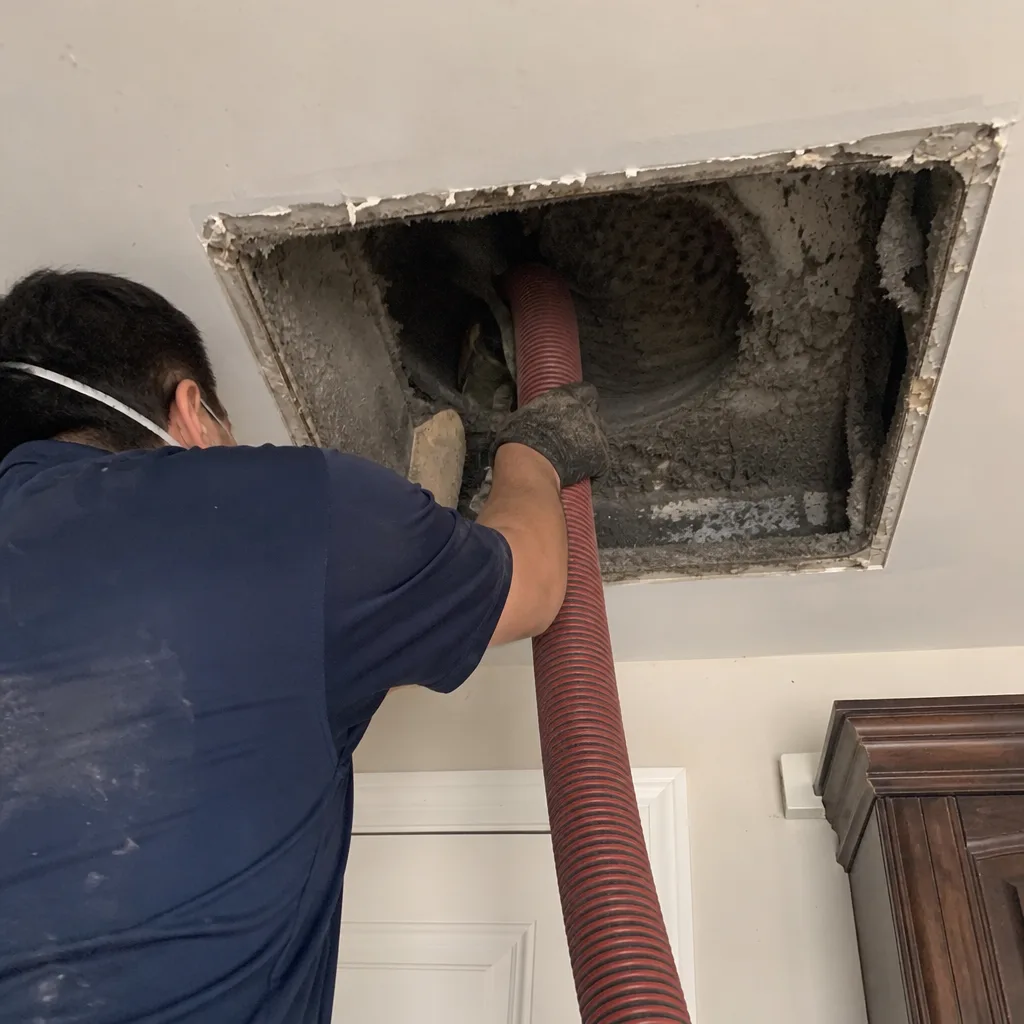
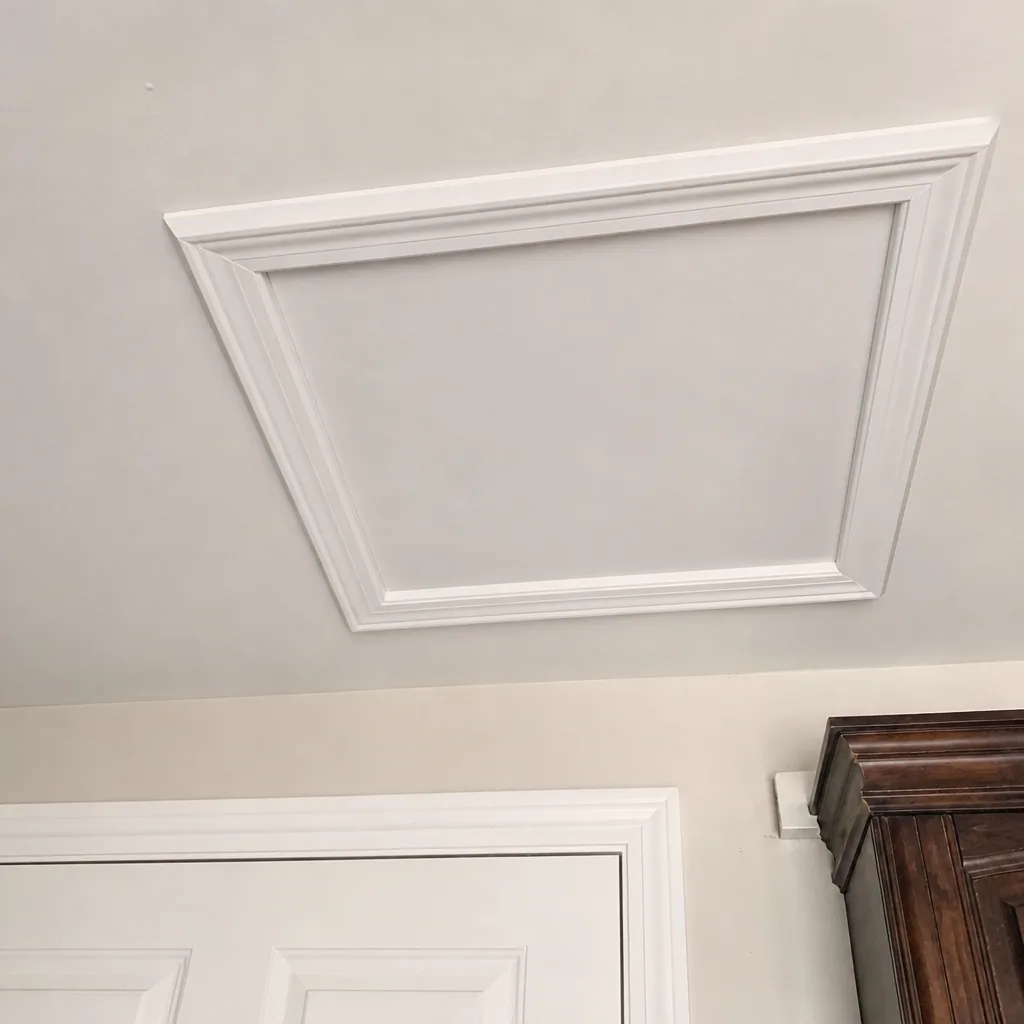
Whole-system duct and dryer vent check with before-and-after photos - you see exactly what came out of your vents
That "$99 whole-house special" is a bait ad - the real number appears once they are in your hallway, or the "clean" is a shop-vac at the register. We photograph the inside of your ducts before and after instead.
DIY vs Professional Air Duct Cleaning: The Lake Highlands Homeowner’s Decision Guide
A shop vac pulls roughly 1-2 inches of water column of negative pressure. Professional source-removal duct cleaning runs at 1-2 inches of mercury. That’s about thirteen times the suction, and it’s the whole ballgame. Most DIY duct cleaning doesn’t remove contamination; it lifts it, stirs it, and settles it back into the same ducts a few hours later. This guide is about drawing that line honestly, so you spend a Saturday on the things that genuinely help and call a specialist for the things that don’t. Here in Lake Highlands, where mature 1950s and 1960s ranch homes still carry original sheet-metal ductwork, knowing which is which matters more than most homeowners realize.
Styles & brands we work with
- Whole-home duct cleaning
- Dryer vent cleaning
- Camera inspection
- Sanitizing & deodorizing
Quick Answer
DIY air duct cleaning can handle surface work: wiping supply and return registers, washing grilles, and upgrading to a better filter. It cannot perform source removal, because household equipment can’t generate the negative pressure required to pull settled debris out of the system. If you suspect mold, pest activity, renovation debris, or you’re seeing a jump in allergy symptoms, book a professional with commercial-grade equipment. In Lake Highlands, that distinction is usually the difference between cleaner air and a few hours spent moving dust around.
Table of Contents
- The Physics That Decide This Debate
- What DIY Air Duct Cleaning Can Actually Accomplish
- When DIY Is Never Appropriate
- How to Tell If a “Professional” Is Actually Professional
- The Cost-Benefit Math Over 24 Months
- Why Lake Highlands Homes Have Specific Duct Challenges
- What a Real Professional Cleaning Looks Like, Step by Step
- Common Mistakes to Avoid
- When to Call a Professional
- Frequently Asked Questions
The Physics That Decide This Debate
Duct cleaning isn’t a scrubbing contest. It’s a pressure contest. The entire principle of source removal depends on generating enough negative pressure inside the duct system to lift settled particulate and hold it in a containment path until it reaches a collection point. Suction magnitude is the variable, and consumer equipment can’t move the needle far enough.
Here’s the comparison that matters. A typical wet/dry shop vac produces somewhere in the range of 1 to 2 inches of water column. Professional truck-mounted or high-capacity portable units used in duct cleaning operate at 1 to 2 inches of mercury. Since one inch of mercury equals roughly 13.6 inches of water column, that’s an order-of-magnitude leap in pull. It’s not incremental. It’s the difference between a leaf blower and a jet engine.
Why does that matter inside a Lake Highlands home? Because duct contamination settles. It adheres to the walls of the duct runs, especially along the return side where airflow is slower and cooler. Dust, dander, pollen, and construction particulate don’t sit loose on the bottom of the duct waiting for a friendly nudge. They cling. Removing them requires overcoming that adhesion, and that requires real pressure.
What a shop vac does instead is disturb the top layer. Some of it escapes out of the registers. Some gets pushed deeper into the run. Some settles back within a day. The homeowner sees a dusty filter and assumes the job worked. In our experience, this is the most common misunderstanding in the whole category. If the pressure isn’t there, the cleaning is theater.
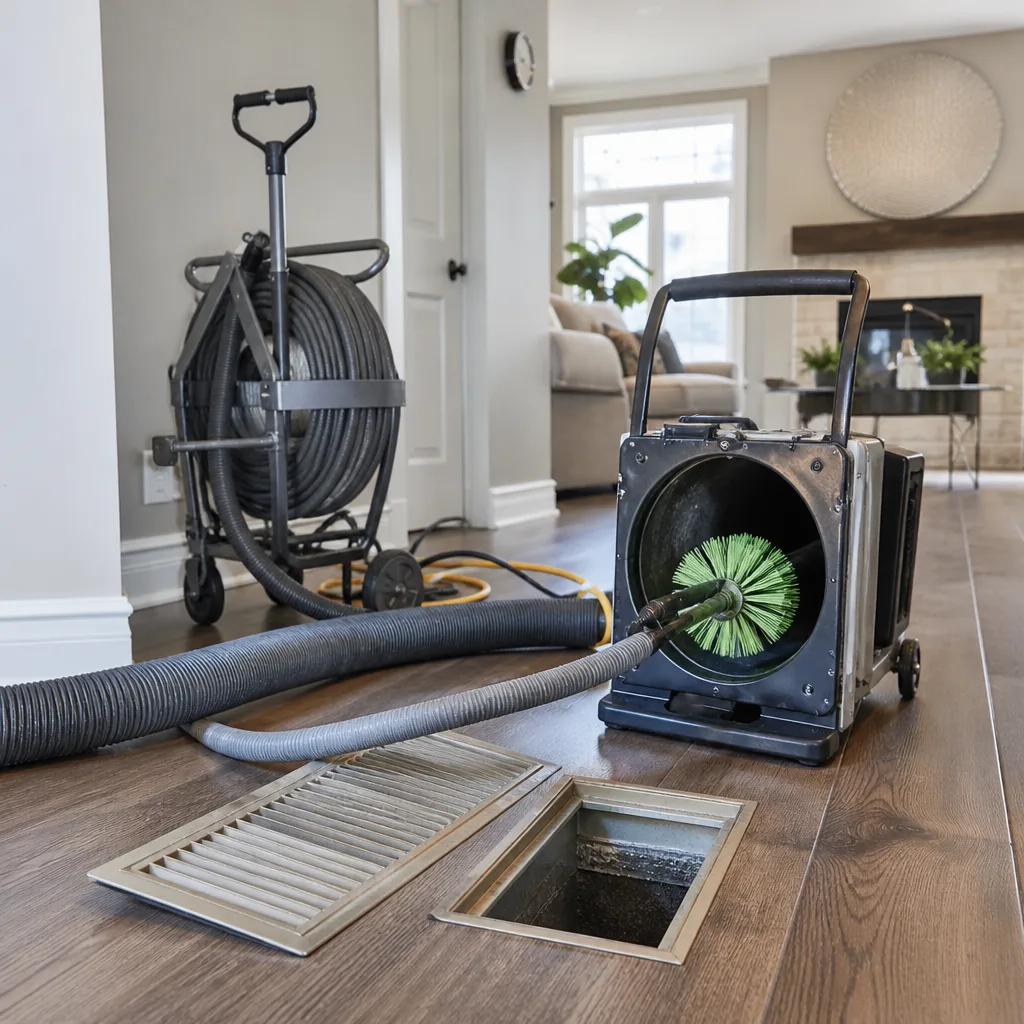
We run equipment built for the job: Rotobrush and Nikro systems for mechanical cleaning through the duct runs, paired with Abatement Technologies negative-air units to hold the working environment under containment while particulate is extracted. These are the tools certified remediation professionals use, and they exist because the pressure math leaves no other option.
What DIY Air Duct Cleaning Can Actually Accomplish
DIY is not useless. It’s just narrow. A homeowner with a few hours and the right supplies can genuinely improve surface hygiene and take pressure off the system. Doing those things well means the professional cleaning you eventually schedule has less surface material to deal with, which is a fine outcome.
Here’s what’s reasonable to do yourself:
- Remove and wash supply and return grilles. These face plates collect dust on the visible side and can be washed in a utility sink with mild detergent and warm water. Dry them fully before reinstall. This alone makes rooms look and smell fresher.
- Wipe the register boots. The short metal or plastic transition between the grille and the duct run collects surface dust quickly. A damp cloth gets it off without disturbing anything downstream.
- Replace the filter on a schedule. This is the single highest-leverage DIY task. A mid-efficiency pleated filter in the MERV 8 to MERV 11 range usually fits residential systems without choking airflow. Upgrade only if your blower is sized for it, and ask before jumping to high-MERV media.
- Seal obvious leaks at accessible joints. Foil-backed HVAC tape on visible duct joints at the air handler and in accessible attic runs is a legitimate homeowner task. Skip anything that requires disturbing insulation or reaching a run you can’t safely access.
- Vacuum the return chase with a shop vac on low. This is surface work only. It’s not source removal, but it cuts down on the loose material the professional will find.
What DIY cannot do: pull settled contamination out of duct runs, clean the interior surfaces of trunk lines, sanitize the system, or tell you whether the ducts have gaps, tears, or disconnected sections. Those require equipment and a trained eye. Our technicians have up to 8 years of experience reading duct systems, and the things they find during a cleaning are frequently things no homeowner would notice from the register side.
If you want a full-system picture of what’s actually inside your ducts, that requires professional air duct cleaning with mechanical agitation and real containment. Surface work is a maintenance habit. Cleaning is a service.
When DIY Is Never Appropriate
There are specific situations where DIY shouldn’t be on the table at all. Not because the homeowner can’t handle the work, but because the work isn’t really the problem in these cases. Something else is going on inside the system, and disturbing it without containment can make things worse.
- Active mold growth. Visible mold on a register, at the air handler, or in an accessible duct run is a signal that moisture is getting in somewhere. That’s not a cleaning problem; it’s a moisture and containment problem. Agitating mold spores with a household vacuum spreads them through the house. It doesn’t solve them.
- Post-renovation debris. Drywall dust, sawdust, insulation fibers, and small construction fragments get pulled into returns during any significant remodel. That material is heavy, settles deep in the runs, and clogs coils and blower wheels. It’s a source-removal job from day one.
- Pest intrusion. Rodents, insects, and birds find their way into duct systems, especially in older Lake Highlands homes with original crawl and attic runs. Droppings and nesting material need containment and sanitizing, not a shop vac.
- Immunocompromised occupants. If someone in the household is undergoing treatment, has a respiratory condition, or is very young or elderly, the margin for error is zero. That’s a professional-only category.
- Musty odors coming from registers. Smell is the system telling you something is growing or decaying inside it. Wiping a grille does nothing.
- Any sign of a disconnected run. If a duct has separated at a joint inside a wall or attic, a shop vac pushed into the register can send material into the wall cavity rather than out of the house.
All of these are containment jobs. They require Abatement Technologies negative-air filtration to hold the workspace under pressure while material is removed, and they require sanitizing with products rated for HVAC interior surfaces afterward. When we do this work, we use Guardsman-grade treatment products for sanitizing and protective surface treatment. It’s not a substitute for finding the underlying cause (moisture, gaps, pest entry), but it’s a necessary finish.
How to Tell If a “Professional” Is Actually Professional
Not every truck that shows up for a duct cleaning is running professional-grade pressure. Some are better-branded versions of the shop vac approach: cheaper equipment, fewer stages, faster in and out. The homeowner sees a receipt and assumes it worked. In our experience, this is where a lot of the industry’s bad reputation lives.
Here’s a straightforward checklist to run before you book anyone.
- Ask what equipment they use. A straight answer names brands: Rotobrush, Nikro, or comparable professional systems. If the answer is “our machine,” that’s not an answer.
- Ask about negative-air containment. A real duct cleaning puts the work area under negative pressure with a HEPA filtration unit. Abatement Technologies units are the standard. If nobody mentions containment, particulate is being put into your indoor air.
- Ask whether they perform source removal or surface cleaning. Source removal means mechanical agitation plus high-pressure extraction through the entire run. Surface cleaning means a brush and a shop vac on the easily accessed sections.
- Ask about repair and sealing. Cleaning without addressing leaks leaves the system compromised. We treat duct repair and sealing as a core service, not a referral, because cleaning alone won’t close a gap that’s pulling attic air into the return.
- Ask for before-and-after photos of the actual ducts. Not stock photos. Not register face plates. The interior of the duct runs, before and after. A professional will have these by default.
- Ask about sanitizing products. A proper sanitizing step uses products rated for HVAC surfaces. Vague answers about “a spray” are worth pushing on.
- Ask for one clear price for the whole system. If the number moves after the technician arrives, you’re looking at the bait-and-switch model, and you should walk.
We get a lot of questions from Lake Highlands homeowners who’ve already had one cleaning done and weren’t sure it was real. The register wipe-downs were done; the ducts themselves weren’t touched. If you want an honest read on what your system actually needs, call (833) 509-5459. We answer 24/7. Fast dispatch from 7am to 7pm, Sunday through Friday.
The Cost-Benefit Math Over 24 Months
Duct cleaning pays for itself in some homes and doesn’t in others. The honest version of the math depends on what shape the system is in. What we can do is lay out the variables so a Lake Highlands homeowner can make a real decision rather than arguing in the abstract.
Here’s what typically shifts over the 24 months following a proper professional cleaning:
- Filter change frequency. When contamination is removed at the source, the filter has less to trap. Many homeowners find they can stretch filter replacement intervals without a performance drop. Over two years of filter changes, that adds up.
- Air handler and coil cleanliness. A cleaner return airstream means the evaporator coil stays cleaner longer, and a clean coil moves heat efficiently. Dirty coils are a genuine efficiency drag. Cleaning the ducts upstream protects the coil downstream.
- Airflow and HVAC runtime. Restricted runs mean longer cycles to reach setpoint. Opening up the system with cleaning plus sealing gives the equipment a better chance to perform the way it was designed to.
- Comfort and allergen load. This one is harder to price, but it’s usually the reason people call. If you’re noticing dust settling on furniture hours after you clean, or waking up congested, the system is a suspect.
- Small repair costs, avoided. Sealing gaps and reconnecting compromised runs during cleaning prevents a bigger repair later. This is where repair-and-seal work pays off as a distinct line item.
- Dryer vent cleaning. Separate from the ducts, but a genuine fire-safety cost avoidance. Lint accumulation is a known fire fuel, and we treat dryer vent cleaning as a safety service, not an upsell.
The 24-month view is the right one for system cleanliness. But the honest caveat is this: duct cleaning doesn’t fix a system with an oversized capacity problem, a failing air handler, or a house with no return-air balance. Those need a different conversation. The cleaning gets the distribution system to a baseline. What the equipment does with that is up to the equipment. We’d rather tell you that plainly than promise numbers we can’t back up. Estimates are free, and we can walk through what’s actually applicable in your home.
Why Lake Highlands Homes Have Specific Duct Challenges
Lake Highlands is a neighborhood of mature ranch homes, many built between the late 1950s and the mid-1960s. The housing stock matters a lot for duct cleaning, because duct design and duct material changed dramatically over that period, and much of it is still in place.
Here’s what we see when we get into Lake Highlands duct systems:
- Original sheet-metal runs with taped or mastic joints. Decades of thermal cycling can loosen taped joints and open small gaps at seams. These gaps pull attic air, insulation fibers, and unconditioned air into the return. Cleaning without sealing doesn’t solve that.
- Flex duct retrofits from later renovation. Flexible duct is easy to install and hard to keep clean. It sags, kinks, and compresses if run poorly, which cuts airflow. Spiral reinforcement accumulates dust on the ridges.
- Attic runs with inadequate insulation. A return chase running through a hot attic is a known comfort problem in Lake Highlands. Hot attic air migrating into an under-sealed return costs the system efficiency and puts load on the air handler.
- Additions with mismatched duct sizing. Many Lake Highlands homes have had a back-room addition added in the 1980s or 1990s. The duct to that addition is frequently undersized relative to the room. That’s an airflow problem, not just a cleaning problem, and it’s worth flagging during an inspection.
- Dryer vents run through walls and attic. Long, poorly routed dryer vent runs are common. Lint accumulates more quickly in long runs with elbows. A dedicated dryer vent cleaning is part of the household maintenance picture.
The North Texas climate adds another layer. Summers here push systems hard for months. Dust, pollen, and fine particulate accumulate faster in a system that’s running continuously. Our technicians have up to 8 years of experience working these systems, and the pattern is consistent: Lake Highlands ducts that haven’t been touched in a decade or more usually have real material built up along the return side, and the register-side wipe-down did nothing to address it.
The HVAC side gets its own attention. Coils, blower wheels, and drain pans have their own cleaning requirements, and our HVAC cleaning work runs alongside duct cleaning because the two systems share the same air. One clean and one not is a partial job.
What a Real Professional Cleaning Looks Like, Step by Step
Knowing the process on the front end removes the guesswork. Here’s how a proper full-system cleaning runs, from walkthrough to finish. This is what you should expect from any qualified provider, not just us.
- System walkthrough and inspection. The technician maps every supply, return, and the air handler location. Filters are checked. Access points are identified. Any visible damage, gaps, or disconnected runs get noted before work starts.
- Set up negative-air containment. Abatement Technologies negative-air units are positioned to hold the workspace and duct system under negative pressure throughout. This is what keeps particulate from migrating into the living space.
- Open access points. Strategic access holes are cut into trunk lines and duct runs to allow mechanical agitation and extraction. These are usually sealed afterward with proper closure systems.
- Mechanical agitation through the runs. Rotobrush and Nikro systems use rotary brushes and high-pressure air whips to break contamination loose along the length of each run, in both supply and return sides.
- Extraction while under pressure. The loosened material is pulled into the collection path while the negative-air unit holds containment. This is the source-removal stage that consumer equipment cannot replicate.
- Air handler and coil cleaning. The blower wheel, evaporator coil, and drain pan get cleaned as part of the job. Dirty components here recontaminate the airstream quickly if skipped.
- Sanitizing and surface treatment. Guardsman-grade products are applied across the duct interior for sanitizing and protective surface treatment, targeting mold spores, bacteria, and odor-causing organisms.
- Repair and sealing. Any gaps, loose joints, or disconnected runs found during the walkthrough get addressed. Sealing is a distinct step, and it’s why cleaning alone doesn’t finish the job.
- Filter replacement and confirmation. New filters go in. Before-and-after photos of the actual ducts are captured and shared so you can see what was removed.
- Final walkthrough. The technician walks the system with you, explains findings, and answers questions. Any recommended follow-up is discussed at that point, not after you’ve already paid.
One clear price per system, agreed before work begins. That’s the operating principle. No per-vent pricing, no surprise line items added on-site, no coupon that turns into a very different invoice once the technician is inside.
Common Mistakes to Avoid
- Assuming a shop vac on a register is “cleaning.” That’s surface work, not source removal. It makes visible grilles look better while leaving the ducts untouched.
- Choosing a quote based on price alone. A much cheaper quote usually means consumer-grade equipment, no containment, and no real access to the duct runs. The receipt doesn’t tell you what wasn’t done.
- Skipping containment. If the provider doesn’t set up negative air, they’re moving particulate into your indoor air. That’s a bigger problem than the original dust.
- Cleaning without addressing leaks and disconnects. A clean duct connected to a gap in the attic is still a duct pulling attic air. Cleaning and sealing belong in the same job.
- Upgrading to a very high-MERV filter without checking airflow. Higher filtration isn’t always better. If the blower can’t move air through the media, the system runs harder and the ducts get dirtier, not cleaner.
- Treating the dryer vent as a cheap add-on. It’s a fire-safety service. A lint-clogged vent is a genuine risk and deserves a dedicated visit, not a quick pass at the end of a duct job.
- Skipping the walkthrough. In Lake Highlands homes with original ductwork, the walkthrough is where the real findings surface. Skipping it means cleaning blind.
When to Call a Professional
Call for a professional cleaning when you notice visible mold around registers, when you’ve just finished a renovation, when there’s pest activity, or when someone in the household has respiratory or immune concerns. Call if registers smell musty, if dust settles on surfaces faster than seems reasonable, if your dryer takes noticeably longer than it used to, or if it’s been more than a few years since the system was cleaned. Call if your HVAC system has gaps, disconnected runs, or visible duct damage. All of those are professional-scale jobs.
Air Duct Cleaning Lake Highlands offers free estimates in Lake Highlands. Call (833) 509-5459. We answer 24/7. Fast dispatch from 7am to 7pm, Sunday through Friday. Our technicians have up to 8 years of experience, and the estimate is free and the price is set per job by the written estimate. You’ll leave the conversation knowing what the system needs and what it will cost, without a technician pushing upgrades you didn’t ask for.
Frequently Asked Questions
A whole-system cleaning in Lake Highlands typically runs in the range of several hundred dollars, with the exact number set by the size of the system, the number of runs, and whether repair and sealing are part of the job. What matters more than the number itself is that it’s one flat price for the whole system, agreed before work begins. If a quote is much lower than others you’ve collected, the equipment and process behind it are usually the difference. Call (833) 509-5459 for an exact quote. Estimates are free.
Cheap quotes typically reflect a lower-tier process: consumer-grade vacuums instead of Rotobrush or Nikro systems, no negative-air containment, and surface cleaning rather than source removal. The work looks complete on paper but the ducts themselves aren’t touched. No access holes, no mechanical agitation, no sealing. Call (833) 509-5459 and we’ll walk you through what a real full-system job includes. Estimates are free.
Ask for before-and-after photos of the interior of the ducts, not the register faces. A professional cleaning produces visible evidence of what came out of the system. The technician should also walk you through the findings from the initial inspection, show you where access panels were cut and sealed, and confirm filter changes. If a provider can’t show you interior photos, ask why. Call (833) 509-5459 with questions before booking anything.
Most homes benefit from a cleaning every three to five years, but the right interval depends on the house. Homes with pets, recent renovations, allergy-sensitive occupants, or a lot of return-side contamination lean toward the shorter end. Lake Highlands homes with original 1960s sheet-metal runs benefit from a walkthrough periodically, because small gaps and loose joints show up over time. Call (833) 509-5459 for an honest read on your specific system.
It can reduce the particulate load in the airstream, which many allergy-sensitive homeowners notice as less dust settling and clearer mornings. It’s not a medical solution, and it doesn’t fix underlying moisture or gap problems on its own. Pairing cleaning with sealing and a proper filter upgrade gives the best shot. If someone in the household is immunocompromised, treat it as a professional-only category. Call (833) 509-5459 for a free estimate.
It’s a separate service, and it’s safety-critical. Dryer lint is a known fire fuel, and long vent runs common in Lake Highlands homes accumulate it faster. Cleaning the dryer vent isn’t a bonus upsell; it’s a fire-safety service that belongs on a regular maintenance schedule. Call (833) 509-5459 and we’ll quote it alongside the duct job if that makes sense for your home.
Professional systems use mechanical agitation combined with high-pressure extraction, which is a very different category of equipment than a shop vac. Rotobrush and Nikro rotary systems are standard for duct cleaning. Abatement Technologies negative-air units provide containment during the work. Products rated for HVAC surfaces handle sanitizing, including Aprilaire and Honeywell components when air quality upgrades are part of the scope. Ask any provider what they use. Call (833) 509-5459 if you want to see ours in action.
The Bottom Line
DIY duct work is fine for the surface: washing grilles, wiping boots, changing filters, sealing accessible joints. It cannot perform source removal, because household equipment can’t generate the pressure that requires. When you’re ready to have the actual ducts addressed, look for the equipment first. Rotobrush, Nikro, Abatement Technologies containment, Aprilaire and Honeywell air quality components, and duct repair and sealing as part of the same job. That’s air duct cleaning Lake Highlands done properly. One flat price per system, agreed before work starts, with before-and-after photos of your own ducts.
If you want a straight answer about what your Lake Highlands system actually needs, call (833) 509-5459 for a free estimate. We answer 24/7. Fast dispatch from 7am to 7pm, Sunday through Friday. Whether the answer is “you’re fine for another few years” or “this needs real work,” we’ll tell you clearly.
Written by the team at Air Duct Cleaning Lake Highlands.
See the difference
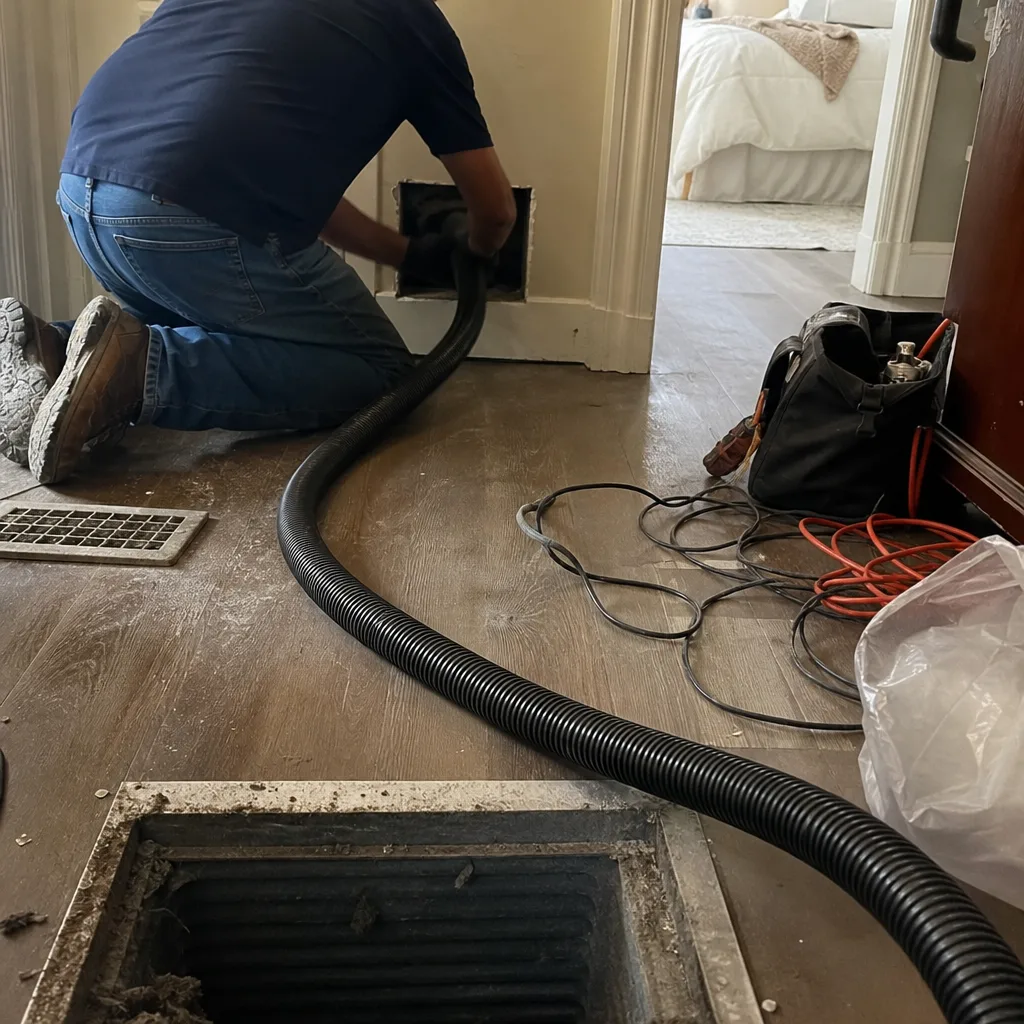 Before
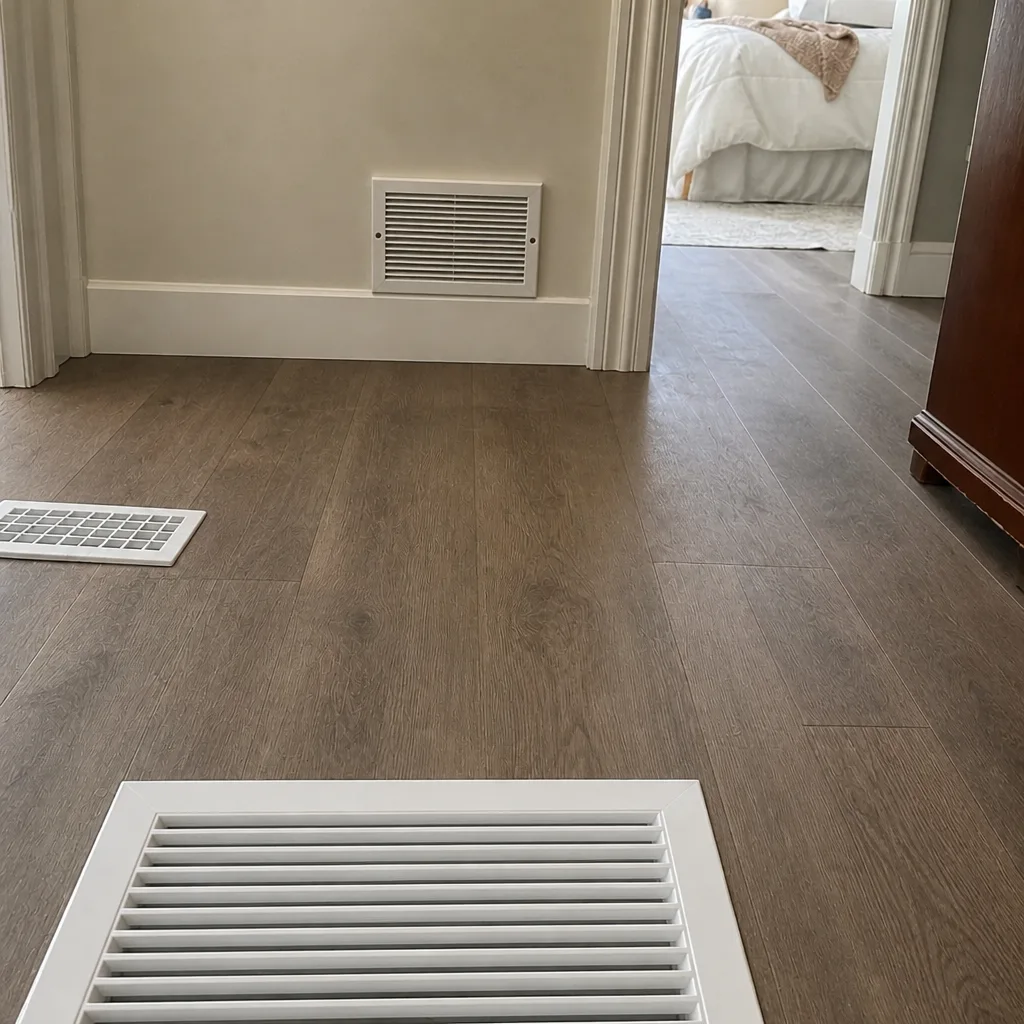 After
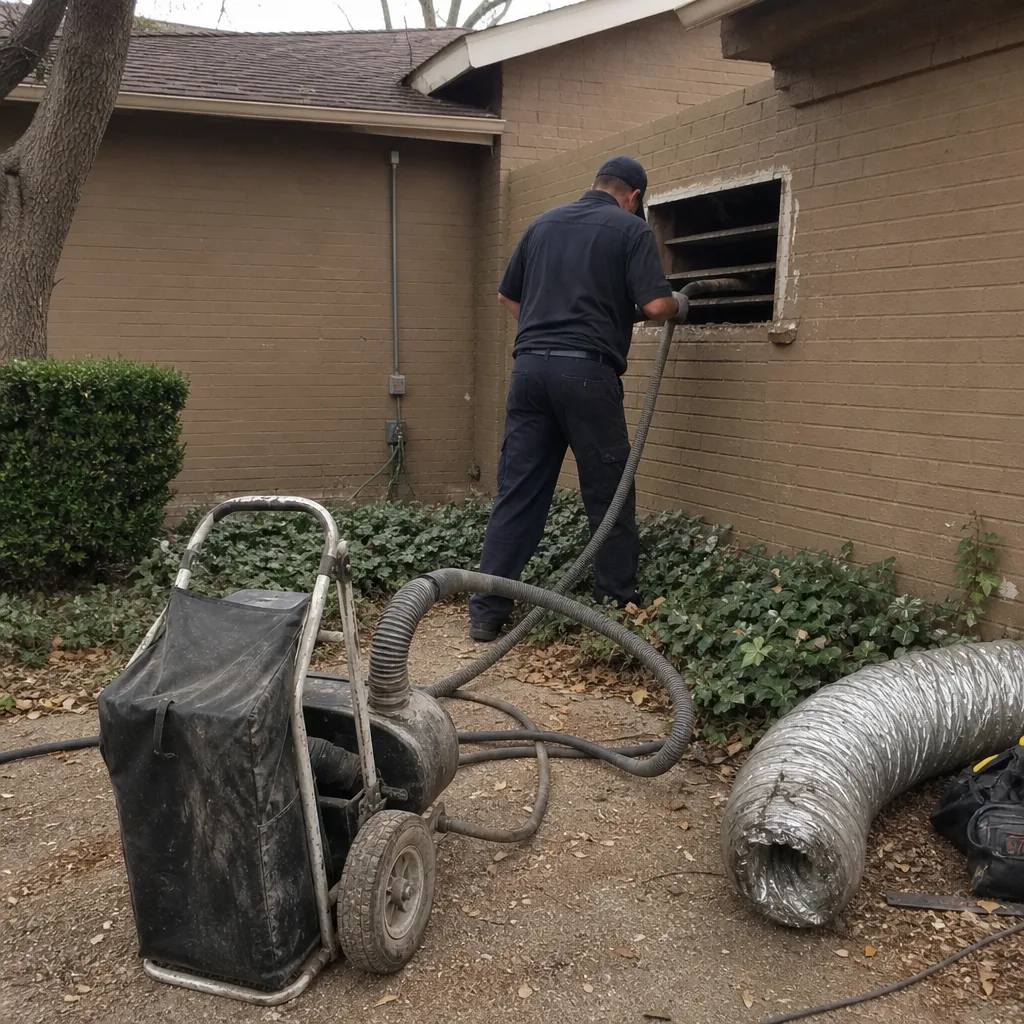 Before
 After
 Before
 After