
Last updated November 23, 2026
 Whole-home duct cleaning
 Dryer vent cleaning
 Camera inspection
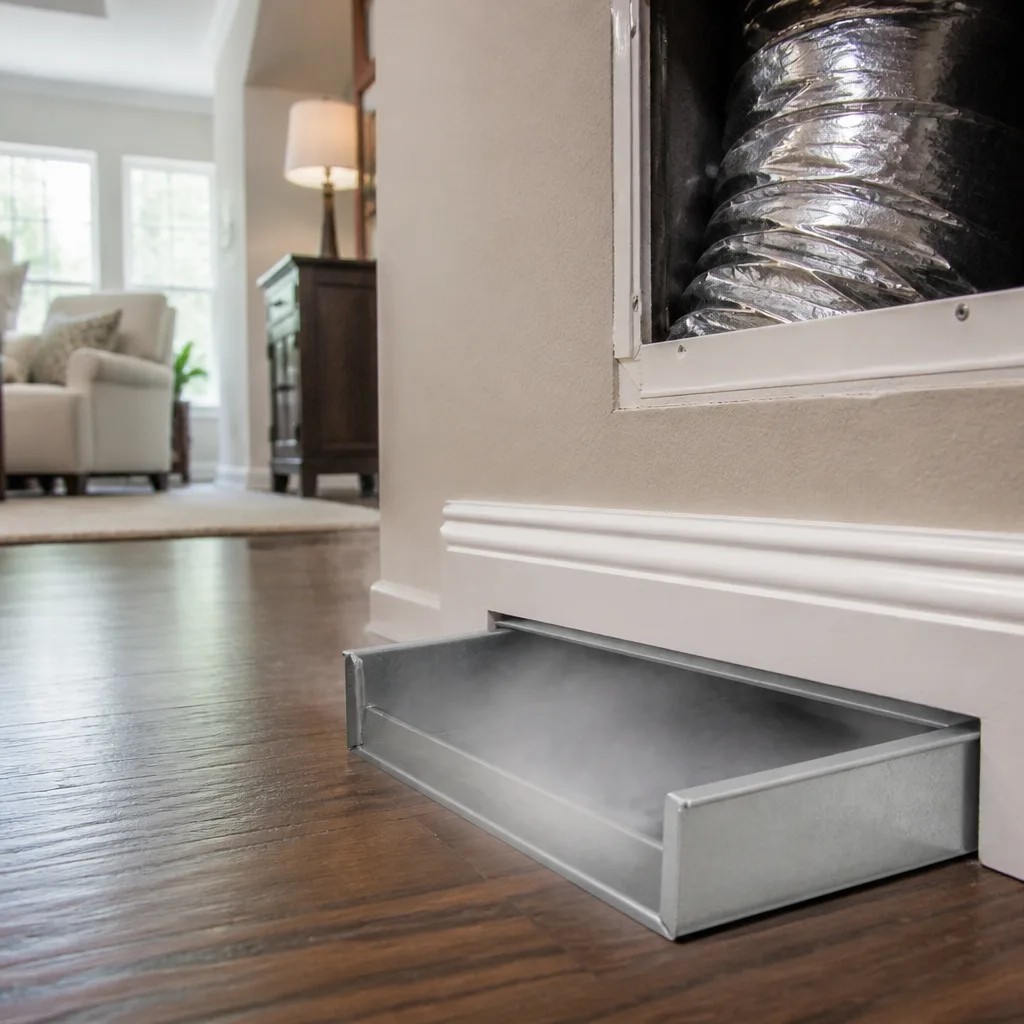 Sanitizing & deodorizing
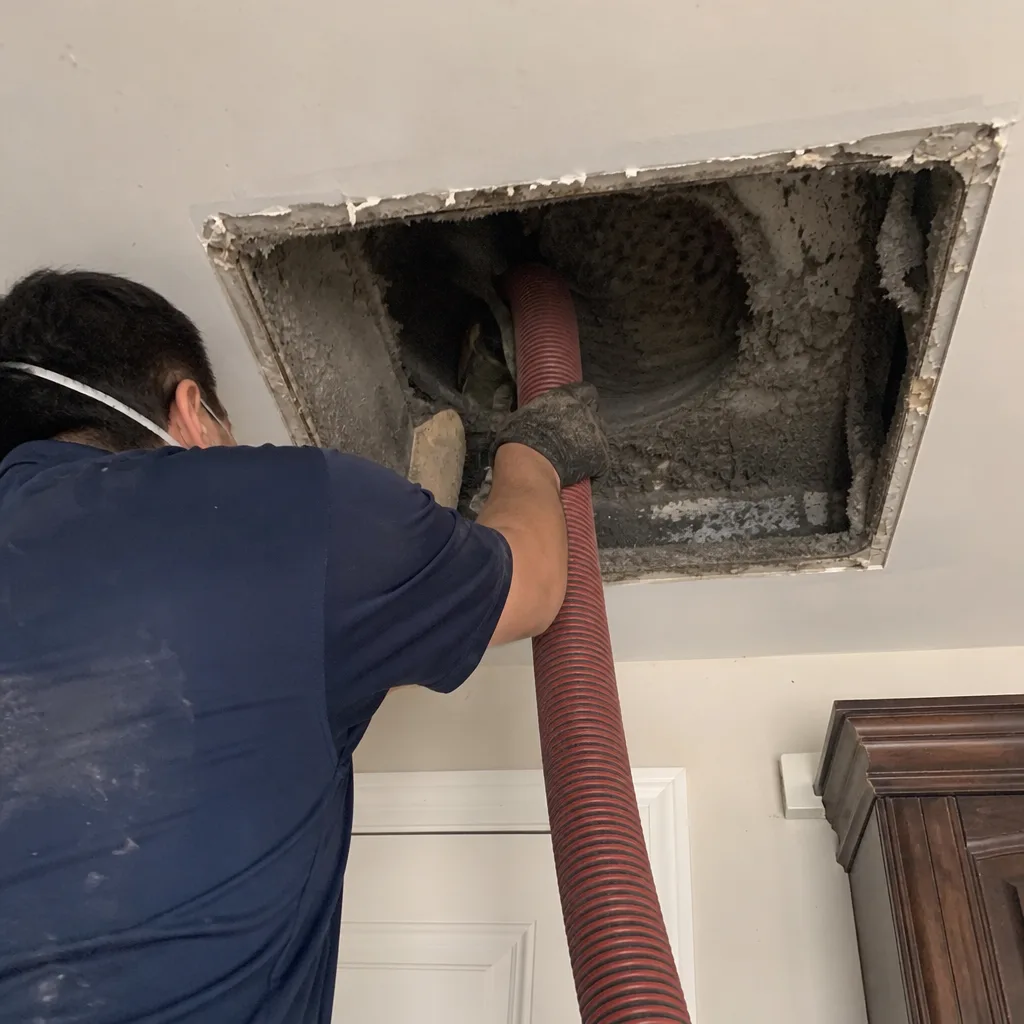
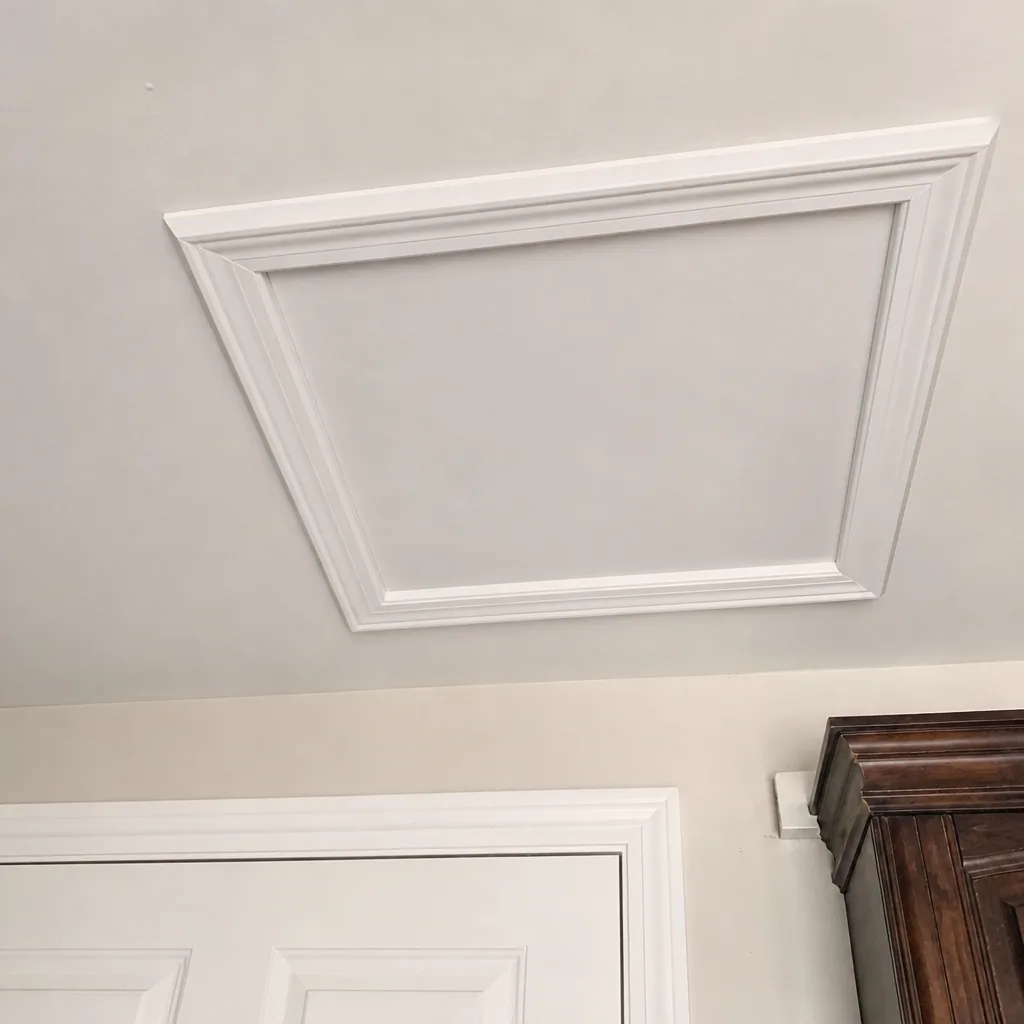
Whole-system duct and dryer vent check with before-and-after photos - you see exactly what came out of your vents
That "$99 whole-house special" is a bait ad - the real number appears once they are in your hallway, or the "clean" is a shop-vac at the register. We photograph the inside of your ducts before and after instead.
Air Duct Cleaning Emergency Preparedness Guide for Lake Highlands Homes
Most Lake Highlands homeowners have a plan for the storm itself. They know where the flashlights are, they’ve got the insurance agent’s number saved, and they know how to shut off the water at the main. What almost nobody plans for is what happens to the duct system afterward. A compromised duct system can keep a house unusable long after the visible damage is repaired: water sits in insulated flex runs, soot coats the return trunks, insulation stays damp for weeks and feeds mold growth that nobody sees because it’s behind drywall and above the ceiling. This guide covers how to respond to flooded ducts, fire and smoke contamination, and storm-driven pest intrusion, plus what to document before anyone touches your system.
Quick Answer
After a flood, fire, or major storm in Lake Highlands, do not run your HVAC system until the ducts have been inspected – saturated insulation and soot in the return ducts will spread contamination through every room. Shut the system off at the thermostat, document the damage with photos and a written inventory before any cleaning begins, then bring in a specialist who uses commercial-grade extraction and negative-air containment rather than a shop vacuum. Cleaning alone is rarely the whole answer; ducts that took on water or debris usually need repair and sealing afterward.
Styles & brands we work with
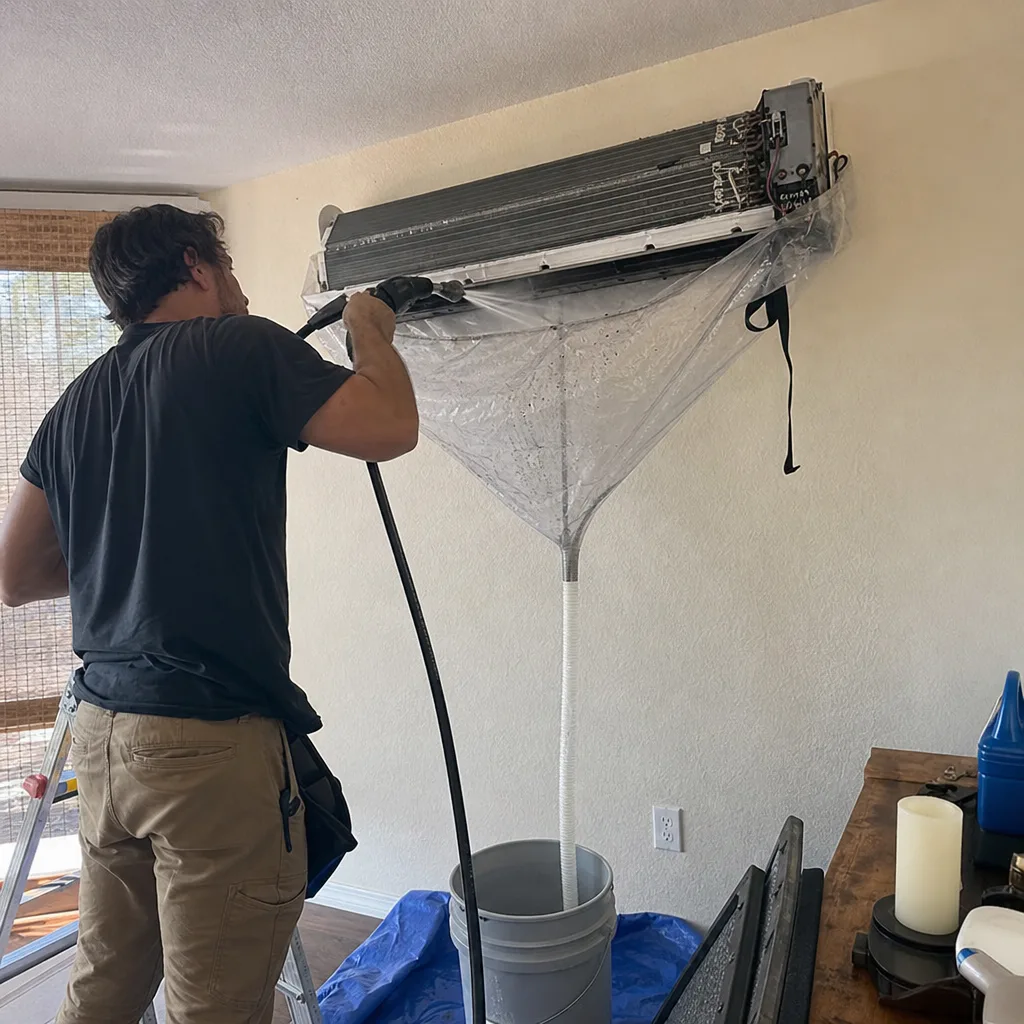
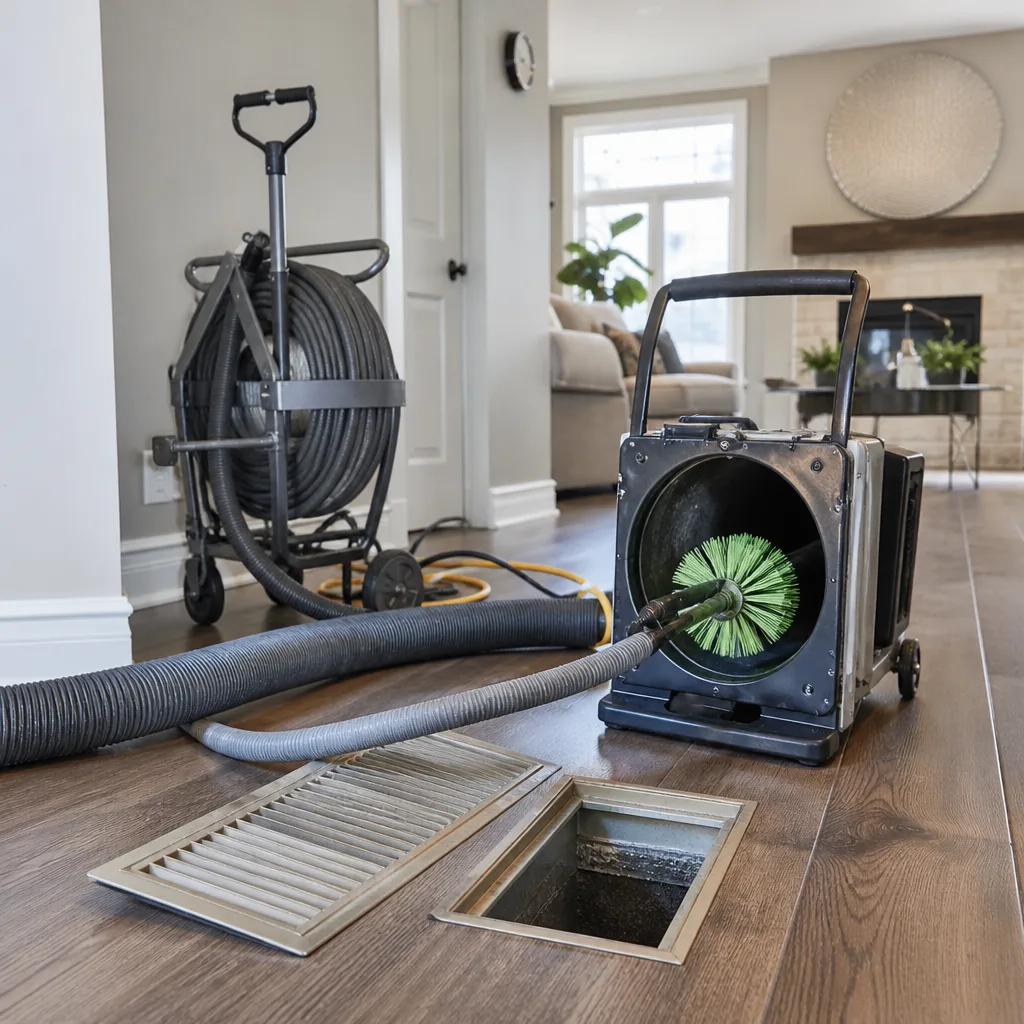
- Whole-home duct cleaning
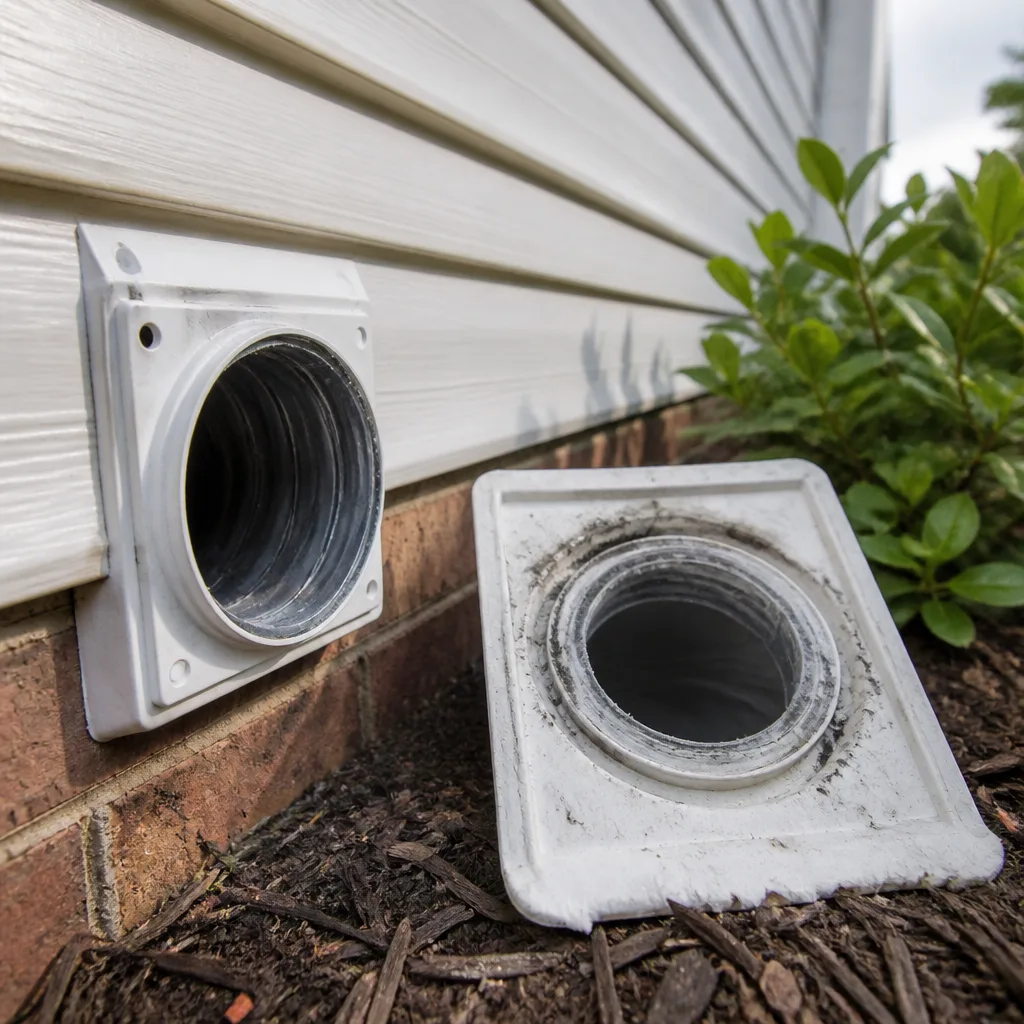
- Dryer vent cleaning
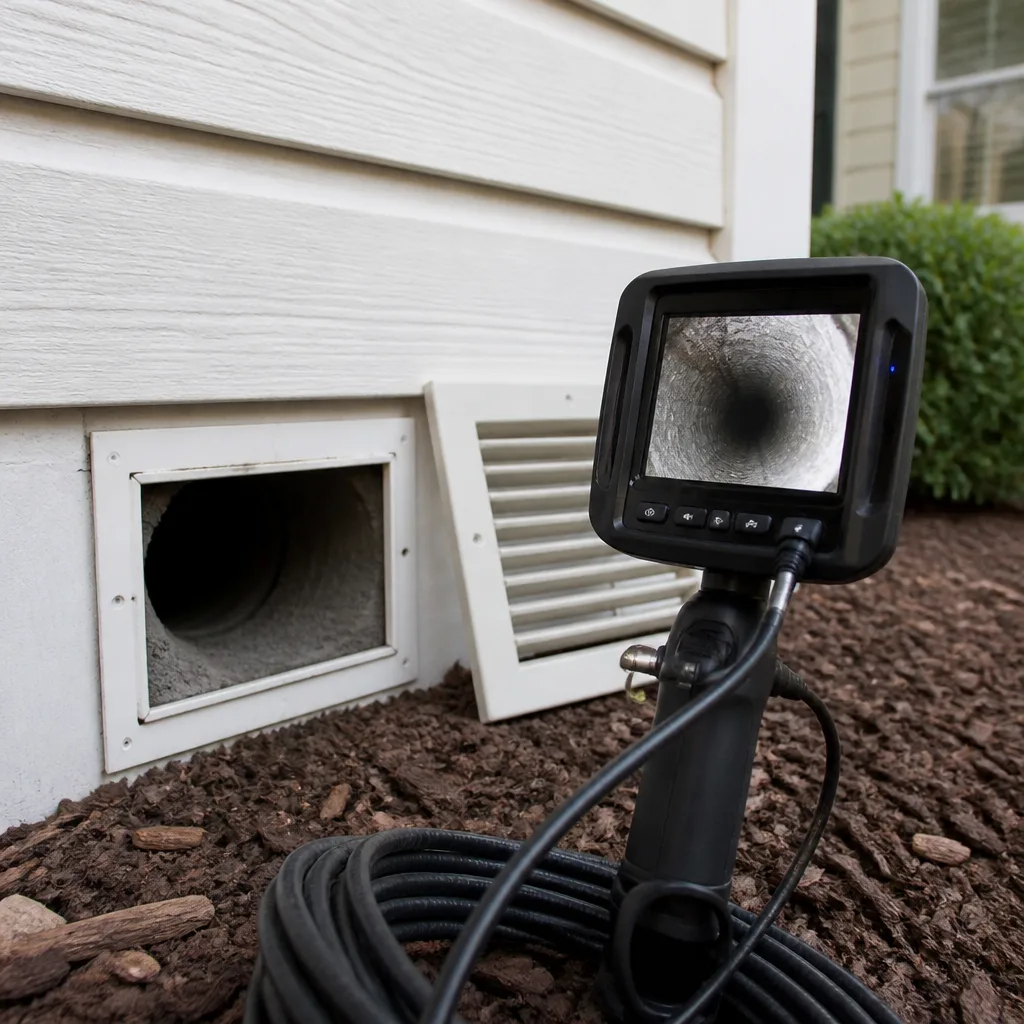
- Camera inspection
- Sanitizing & deodorizing
Table of Contents
- Post-Flood Duct Response: Run It or Shut It Down?
- How to Tell If Your Duct Insulation Is Saturated
- Fire and Smoke Damage: Why Soot in Return Ducts Is Different
- Storm Debris and Pest Intrusion After North Texas Severe Weather
- What to Document Before Post-Emergency Cleaning Begins
- How to Identify a Contractor Qualified for Emergency Remediation
- Building a Duct Emergency Preparedness Plan for Your Lake Highlands Home
Post-Flood Duct Response: Run It or Shut It Down?
The single most damaging thing a Lake Highlands homeowner can do after water intrusion is flip the thermostat back on to “see if it still works.” If any part of the duct system took on water – and in a house where water reached the floor vents, it almost certainly did – running the blower pushes humid air and any contaminants it picks up through every supply run in the house. That’s how a flooded room becomes a flooded house.
The rule is straightforward: shut it down first, assess second, run it only after a qualified inspection clears the system. Here’s the sequence we walk homeowners through.
- Kill the system at the thermostat and at the breaker. Not just the fan setting – the whole unit. You want the blower physically incapable of moving air until you know what’s in the ducts.
- Photograph everything before you move anything. Duct openings, floor registers, water lines on walls, the air handler closet. This is your insurance evidence, and it matters more than most people realize.
- Note which registers were wet. Floor registers that took on standing water are the strongest sign that supply runs filled. Ceiling registers that show water staining usually point to overhead leaks or attic duct damage.
- Check for moisture in the air handler closet and plenum. A damp plenum is a serious finding – it means water reached the equipment, not just the ducts.
- Call for an inspection before you run the system again. Even if the visible water has drained away, saturated insulation and pooled moisture inside flex duct will not dry on its own in a closed cavity.
One caveat specific to the Lake Highlands housing stock: a lot of homes here have flex duct runs in the attic, and the attic is where water intrusion from a roof leak, an overflowing pan, or a failed supply line tends to collect without ever showing up on the ceiling below. The August heat dries the top of the insulation while the underside stays wet against the duct. If you suspect any water event in the attic, have the runs inspected even if nothing in the living space looks wet.
When the inspection does confirm contamination, the work is real duct cleaning plus repair – not a quick vacuum pass. Our air duct cleaning Lake Highlands page walks through how that job actually proceeds in a home like yours.
How to Tell If Your Duct Insulation Is Saturated
Duct insulation that has absorbed water stops being insulation and starts being a sponge. It holds moisture against the duct wall, loses its thermal value, and gives mold spores exactly the conditions they need – warmth, food (dust), and darkness. In our experience, this is the failure point after a water event that homeowners miss most often, because the duct itself still looks fine from the outside.
Here’s what to check, in plain terms:
- Feel the outer jacket of the flex duct. If it’s soft, spongy, or cool to the touch when the system is off, moisture is trapped inside. A dry jacket feels firm and papery.
- Look for condensation on the duct surface. Beads of water on the outside of a duct in an unconditioned space are a strong sign the insulation is compromised.
- Smell the air near the registers. A musty, earthy, or wet-cardboard smell coming from a supply register is one of the more reliable indicators that something in the run is wet and growing.
- Check the low points. Flex duct sags. Water collects at the lowest point in a run, and that’s usually where the damage starts.
- Inspect the connections and boots. Where a duct meets a floor boot, the seal is the weakest point. Water often gets in there first and wicks up the insulation from the end.
Saturated insulation is not something you dry out with a fan and a dehumidifier and call done. Once the material has held water long enough to support biological growth, the correct fix is removal and replacement of the affected section, followed by cleaning of the hard duct and plenum. That’s a repair-and-sealing job, not a cleaning job. In our experience, the homes that have the worst outcomes after a water event are the ones where a cleaning crew came out, ran a vacuum through the ducts, and left saturated insulation in place because replacing it wasn’t in their scope.
This is the practical side of “clean ducts are the start – we also repair and seal what the cleaning reveals.” Cleaning a duct system and then putting back wet insulation is only half a solution.
Fire and Smoke Damage: Why Soot in Return Ducts Is Different
Fire and smoke events leave contamination in the duct system that a standard cleaning pass will not address adequately. The reason is that the return ducts are, by design, pulling air from every room in the house. During a fire, that same system was pulling smoke and soot into the return trunks, and soot deposits into the plenum and return run are often heavier than what you see in the living room.
Soot in the return ducts is a real respiratory hazard and it also carries odor that will not leave the house on its own. The other thing to know: a lot of the soot that comes from fires in modern homes contains residues from burned synthetics, foams, and plastics, and those residues are not the same as wood ash. Standard cleaning equipment that a consumer might use – a shop vacuum, a rented blower – pushes fine soot deeper into the system and can fog it through the house in the process.
What a fire event actually requires:
- Keep the system off until it’s been assessed. Same rule as water, for the same reason.
- Contain before you clean. Professional smoke remediation uses negative-air containment – Abatement Technologies units or equivalent – to keep soot from drifting through the home while the ducts are being opened. This is the standard in professional remediation work, and it’s the piece most cleaning-only operators don’t have.
- Clean the plenum, trunk lines, and every supply and return run. Not just the visible returns. Soot travels.
- Address the air handler and coil. The evaporator coil and the blower wheel collect soot and odor, and they need attention as part of the job – which falls under HVAC cleaning.
- Sanitize after cleaning, not before. Treatment products applied to a soot-coated surface are wasted. Guardsman-grade treatment protocols are designed to be applied to a cleaned surface.
We treat this as a two-stage job: mechanical cleaning to remove the soot, then sanitizing to address what’s left in the pores of the duct material and the odor that lingers. Air quality components from Aprilaire and Honeywell come into play if a homeowner wants filtration to help keep indoor air clean going forward, but that’s a separate conversation from getting the smoke out of the system in the first place.
Storm Debris and Pest Intrusion After North Texas Severe Weather
Hail and high wind do things to a duct system that don’t always show up as a visible failure. A branch through the roof deck, a shingle lifted at the ridge, a ridge vent peeled back – all of it opens a path from the attic into the duct chase, and from there, into the house. Lake Highlands gets enough severe spring weather that this is worth checking every year, not just after a major event.
When we’ve inspected Lake Highlands duct systems after storm events, the patterns repeat:
- Crushed or kinked flex duct in the attic where falling debris, insulation movement, or a shifted air handler landed on a run. A crushed run can’t deliver its designed airflow and the room it serves goes warm or stuffy.
- Open entry points at the roofline and attic penetrations where wind and rain drove water in through a gap that wasn’t there before.
- Pest intrusion at duct boots, disconnected joints, and the plenum where insulation gaps give rodents and insects a path into the system. A disconnected flex run in the attic is a direct opening into the living space.
- Debris in the return where attic insulation or roofing material got pulled into the return trunk.
The inspection sequence after storm damage is simple. Start in the attic and work backward from the air handler. Check every visible run for kinks, disconnects, and compressed insulation. Look for daylight at roofline seams and around penetrations. Look at the boots where ducts meet floors and ceilings. Smell the air near the registers. If anything looks wrong – a crash of flex duct, an obvious gap against the sheetrock, insulation blown off a trunk – that’s a call a professional makes, not a homeowner. If a run has come apart, the safe move is to shut the system off until someone can look at it; running a disconnected return from an attic pulls attic air and insulation fibers directly into the house.
What to Document Before Post-Emergency Cleaning Begins
This part is easy to rush past in the middle of a disaster, and it’s where homeowners lose money on claims they should have won. Insurance adjusters want evidence, and once cleaning starts, the evidence is gone. Before any post-emergency duct work begins, document what happened and what condition the system is in.
Do these things, in order:
- Photograph every register, duct opening, and air handler location before anything is moved or covered. Include close-ups and wide shots so the adjuster can see which room each item is in.
- Photograph the water lines on walls, floors, and above the ceiling. Water lines are your clearest proof of how high the water reached.
- Capture the attic. Photograph visible duct runs, insulation, and the air handler. A wet roof deck, saturated attic insulation, or water staining on rafters all matter.
- Write a simple inventory with dates. Not estimates – actual dates and times of the event, when the system was shut off, and what you observed. This is often the difference between a clean claim and a disputed one.
- Keep the damaged material if it’s removed. Ask the cleaning contractor to photograph saturated insulation and any contaminated duct material before disposal, and to save it if the adjuster wants to inspect.
- Note anything about air quality you can observe. Musty odor, visible mold, a family member’s symptoms that began after the event. This is the sort of observation that supports an air quality testing recommendation from the adjuster or a remediation professional.
Air quality testing protocols are the domain of a certified indoor air quality or mold assessment professional, not a duct cleaner. If you’re being told you don’t need testing, that’s a flag. If you’re being told a duct cleaner can do the testing and the cleaning, that’s a different flag – the assessment and the cleaning should be independent.
How to Identify a Contractor Qualified for Emergency Remediation
This is the part most homeowners get wrong. A crew that shows up with a shop vacuum and a coupon is not equipped for post-emergency duct work, and the fact that the van says “duct cleaning” doesn’t mean the operator has the insurance coverage or the equipment for what your house actually needs.
Here’s what actually separates a contractor qualified for post-emergency remediation work from a standard cleaning operator:
- Equipment. Mechanical cleaning equipment like Rotobrush and Nikro systems with real negative-air containment from a brand like Abatement Technologies is the baseline. A shop vacuum is not.
- Scope. The contractor should be able to clean, repair and seal, and handle the HVAC components, not just clean. A cleaning-only operator will hand you a half-solved system and tell you to call someone else.
- Insurance. Ask directly and ask for the certificate. Emergency work involves removing material, opening wall and ceiling assemblies, and handling contaminated debris – the coverage needs to match the work.
- Sanitizing product line. Ask what they use and why. Guardsman-grade treatment protocols exist for a reason; a generic spray bottle of “anti-microbial” is not the same thing.
- Documentation practices. A real remediation contractor photographs before and after, keeps records, and is comfortable producing them for your insurance adjuster.
- Willingness to say “this isn’t duct cleaning, it’s remediation” when it is. Fire and heavy water events cross into remediation territory. A contractor who tells you honestly that part of the work needs a licensed mold or remediation professional is more trustworthy, not less.
We’re a full-service indoor air quality company with Rotobrush and Nikro cleaning systems, Abatement Technologies containment units, and Aprilaire and Honeywell air quality components. We clean, repair, and seal, and we’ll tell you plainly when a job needs something outside our scope.
Building a Duct Emergency Preparedness Plan for Your Lake Highlands Home
You don’t need a binder and a meeting. You need five things done before the emergency happens, and the whole list takes an afternoon. Most of the value of an emergency plan is in knowing where things are and who to call before you’re standing in water.
- Find your HVAC shutoff. Know where the breaker for the air handler is and know where the switch is. Show everyone in the house. When water comes in, killing the system should take ten seconds, not ten minutes of searching.
- Note which registers are on the first floor, second floor, and in the attic. Write it down. When the water is up and you’re on the phone with an adjuster, you don’t want to be guessing which vents got wet.
- Know where your duct runs travel. Most Lake Highlands homes have the air handler in the attic or a closet. Knowing that means you know where the water damage is most likely to start.
- Save two numbers now. Your HVAC or air quality specialist, and your insurance agent. Post them where you’d look in a hurry. Air Duct Cleaning Lake Highlands at (833) 509-5459, and your agent’s number.
- Do a yearly duct inspection. Late spring, before storm season peaks, is a good time in Lake Highlands. A quick inspection catches a kinked run, a disconnected boot, or a soft jacket before it becomes a bigger problem in a water event.
The last one is worth dwelling on. A duct system that’s already compromised – disconnected, restricted, or running with degraded insulation – is much more vulnerable to a water or storm event than a healthy one. Regular air duct cleaning is one piece of that, but so is having someone look at the runs and the connections while they’re there.
Dryer vents belong in the same plan. A dryer vent that’s partly clogged with lint is a fire risk in normal operation, and after a fire or water event the vent is a path for contamination into the laundry area. We treat dryer vent cleaning as a dedicated fire-safety service for exactly that reason, not as a cheap add-on.
Common Mistakes to Avoid
- Running the system to “dry things out.” This spreads moisture and contaminants through the entire house. Kill the system at the breaker and leave it off until the ducts have been inspected.
- Assuming the ducts are fine because nothing looks wet. Attic flex duct insulation absorbs water and stays wet against the duct wall long after the surface looks dry. Musty smell at a register is the better indicator.
- Calling a cleaning crew first and an adjuster second. Once cleaning starts, the evidence is gone. Photograph, inventory, then clean.
- Skipping air quality testing on a fire event. Soot residue and odor are not the same as smoke smell from a candle, and testing by an independent IAQ professional is the way to know what’s actually in the air.
- Treating a remediation job as a cleaning job. Fire and heavy water events need containment, proper equipment, and repair and sealing afterward. A one-size cleaning won’t get there.
- Ignoring the attic after a hail or wind event. A branch through the roof deck or a lifted ridge vent opens a path into the duct chase. Even if nothing in the house looks wet, get the attic inspected.
- Not asking about insurance. Ask for a certificate and ask what coverage applies to the work. Emergency remediation has different insurance requirements than routine cleaning.
See the difference
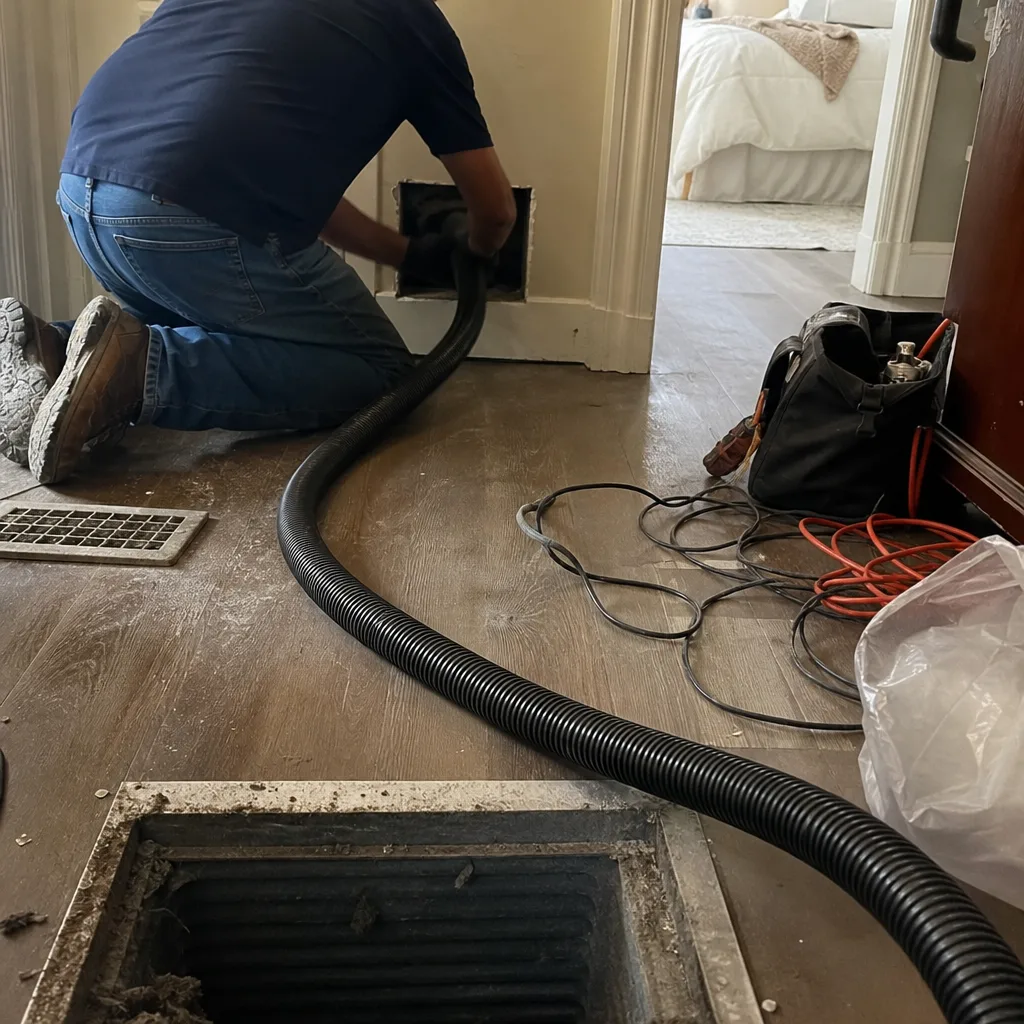 Before
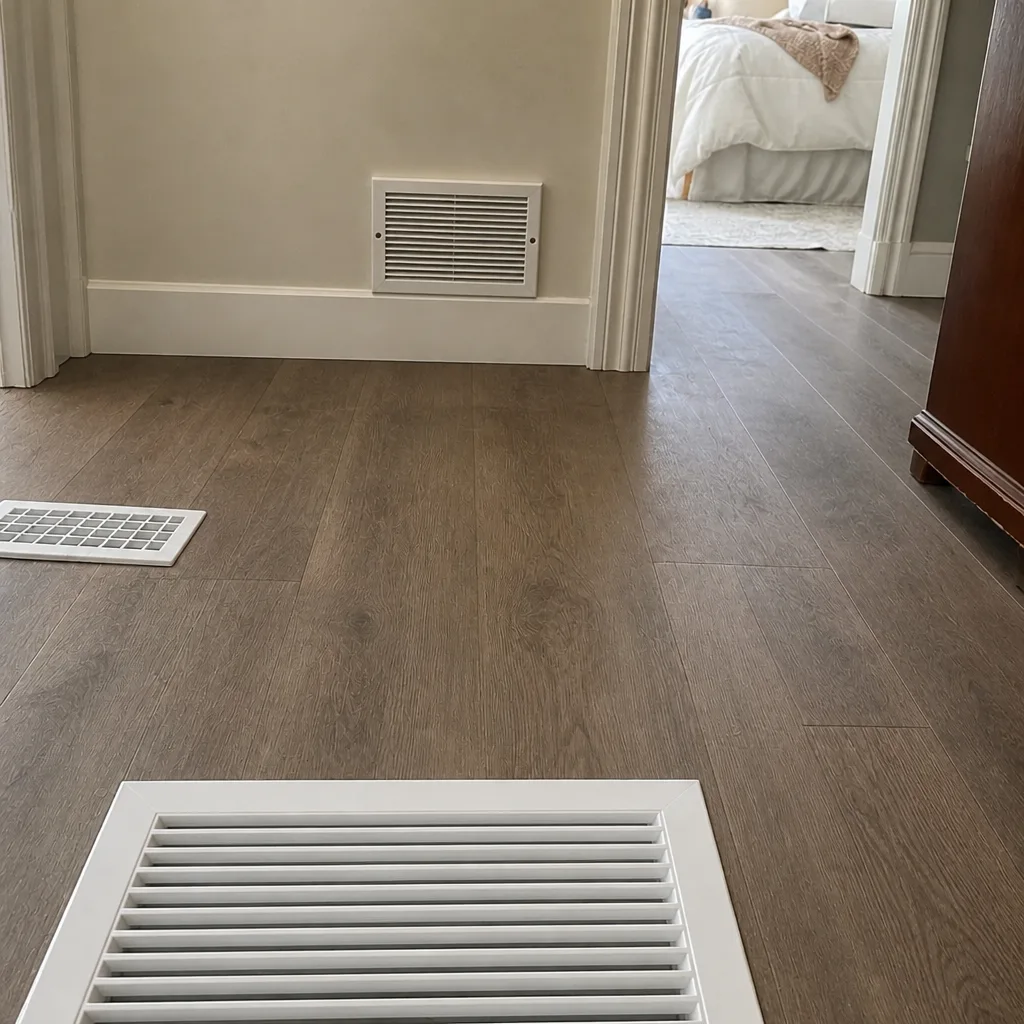 After
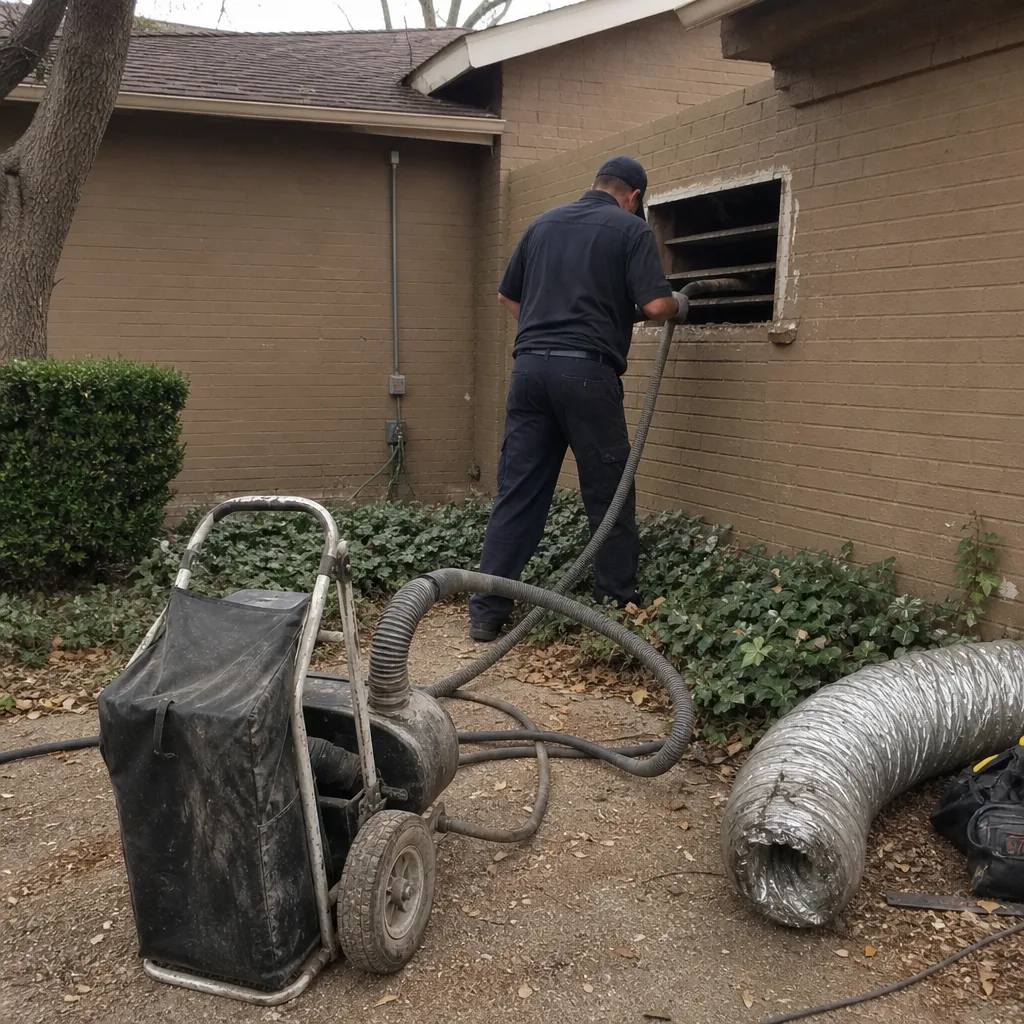 Before
 After
 Before
 After
When to Call a Professional
Call a professional when water reached any supply or return register, when the air handler closet or plenum got wet, when there’s been a fire or smoke event in the home, or when you smell musty air coming from a supply register and can’t find a reason. Call when a storm has damaged the roof, the attic insulation looks disturbed, or a flex run in the attic has come apart. Call before you run any system that’s been through a water or smoke event. Call if your insurance adjuster asks for documentation on the duct system. If you’re not sure whether the situation warrants a call, that itself is a reason to call – the cost of a free estimate is nothing, and the cost of missing a saturated duct run is a much larger problem. Air Duct Cleaning Lake Highlands offers free estimates in Lake Highlands – call (833) 509-5459.
Frequently Asked Questions
No. Keep the system off until a professional has inspected the ducts, even if the visible surfaces look dry. Flex duct insulation holds water against the duct wall long after the surface dries out, and running the blower pushes humid, contaminated air through every room in the house. Call (833) 509-5459 for an inspection – estimates are free.
Feel the outer jacket of the flex duct where you can reach it – if it’s soft, spongy, or cool to the touch with the system off, moisture is trapped inside. Beads of condensation on the duct surface, a musty smell at a supply register, and sagging low points in a run are all reliable signs. Saturated insulation needs removal and replacement, not drying, so have it inspected. Call (833) 509-5459 for an exact quote.
Yes. Return ducts pull air from every room in the house, so during a fire they collected soot from the entire living space, not just the room where the fire started. Soot from burned synthetics carries real respiratory risk and persistent odor, and it will re-enter the living space every time the system runs. Standard cleaning equipment isn’t enough; containment, mechanical cleaning, HVAC component cleaning, and sanitizing are the proper sequence. Call (833) 509-5459 to discuss your fire event.
Photograph every register, every duct opening, the air handler, the plenum, and the attic duct runs before anything is moved. Include close-ups and wide shots, and photograph water lines on walls and above ceilings. Write down the dates and times of the event and what you observed. If a contractor removes saturated insulation or contaminated duct material, ask them to photograph it first and save it if the adjuster wants to inspect. Call (833) 509-5459 and we’ll walk you through what to capture before anyone touches the system.
Once a year in normal conditions, and immediately after any water, fire, or severe storm event. Lake Highlands gets enough wind and hail to make an annual attic check worth doing before storm season. Homes with pets, recent remodeling, or allergy concerns in the household benefit from a cleaning on a shorter cycle. Call (833) 509-5459 for a free estimate on inspection and cleaning.
Emergency remediation requires containment equipment like Abatement Technologies negative-air units, mechanical cleaning systems like Rotobrush and Nikro, and the ability to repair and seal ducts after cleaning – not just clean them. Insurance coverage needs to match the scope of the work, and remediation contractors document before and after for adjusters. Ask any contractor which of that they actually have. Call (833) 509-5459 to discuss what your situation needs.
The Bottom Line
Emergency preparedness for your ducts comes down to a few things you can decide before anything happens. Shut the system off at the breaker after water or fire reaches anything in the duct system. Don’t run it again until someone qualified has inspected the ducts. Photograph and inventory the damage before any cleaning starts, and don’t let a crew with a shop vacuum touch a remediation job. Saturated flex insulation gets replaced, soot in the return ducts gets cleaned with proper containment and sanitizing, and storm-damaged attic runs get inspected rather than ignored. Everything else – regular cleaning, dryer vent safety, air quality components – is part of the ongoing maintenance that makes a system resilient when the next event comes. Call (833) 509-5459. We answer 24/7. Fast dispatch from 7am to 7pm, Sunday through Friday.
Written by the team at Air Duct Cleaning Lake Highlands.