
Last updated November 23, 2026
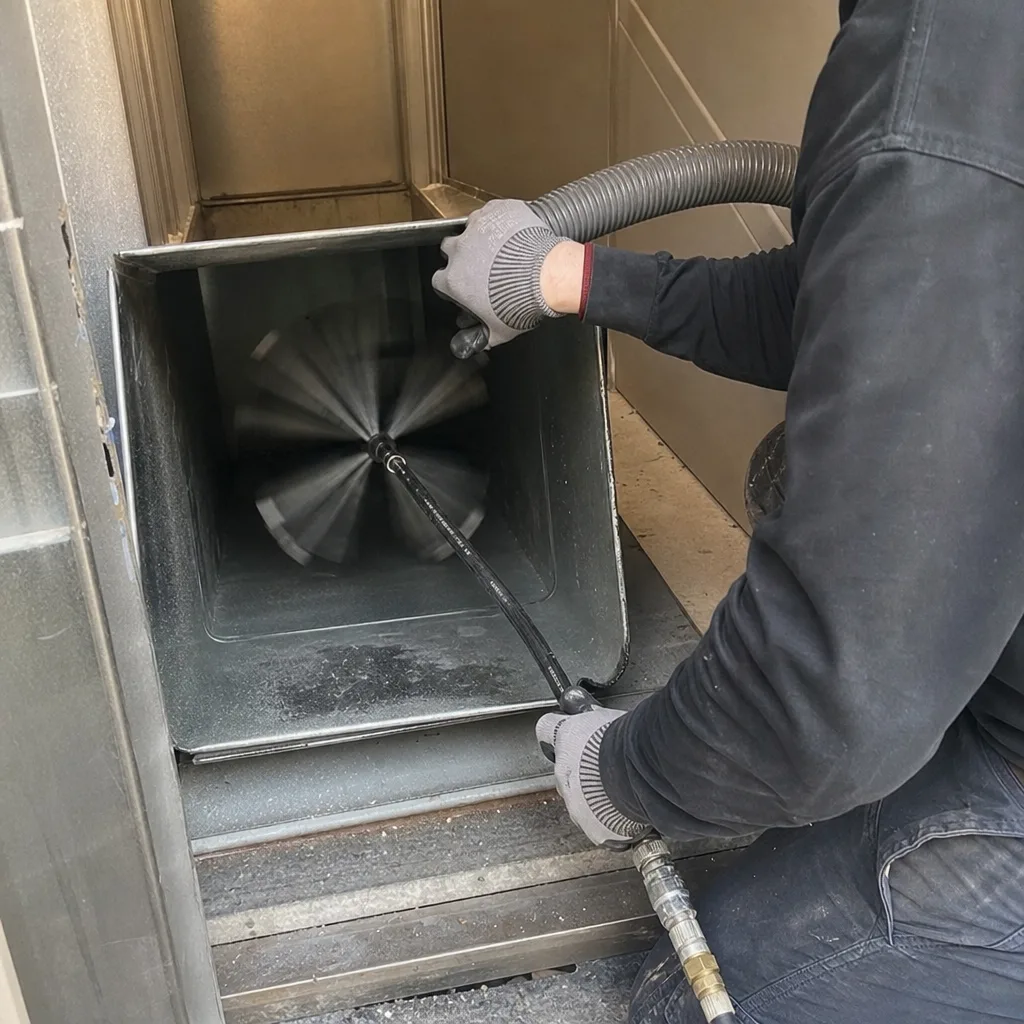
 Whole-home duct cleaning
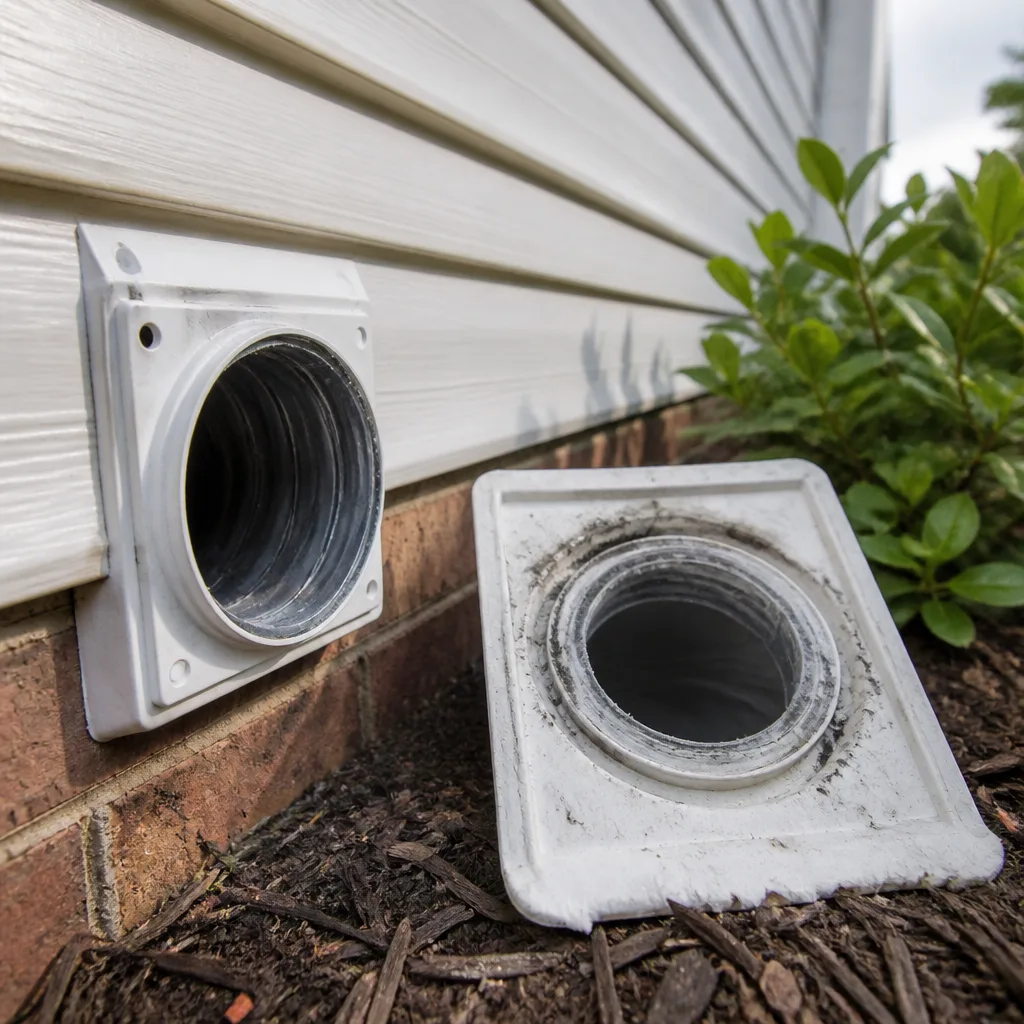 Dryer vent cleaning
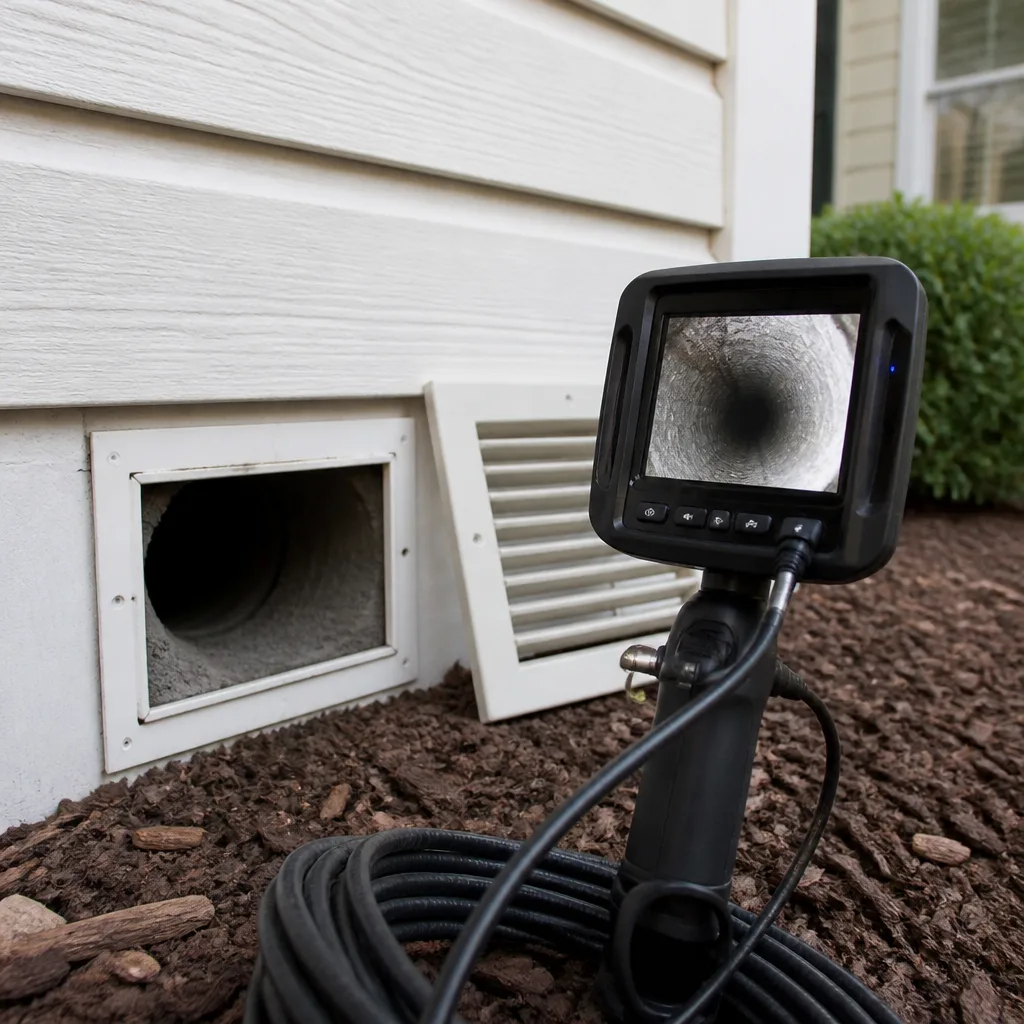 Camera inspection
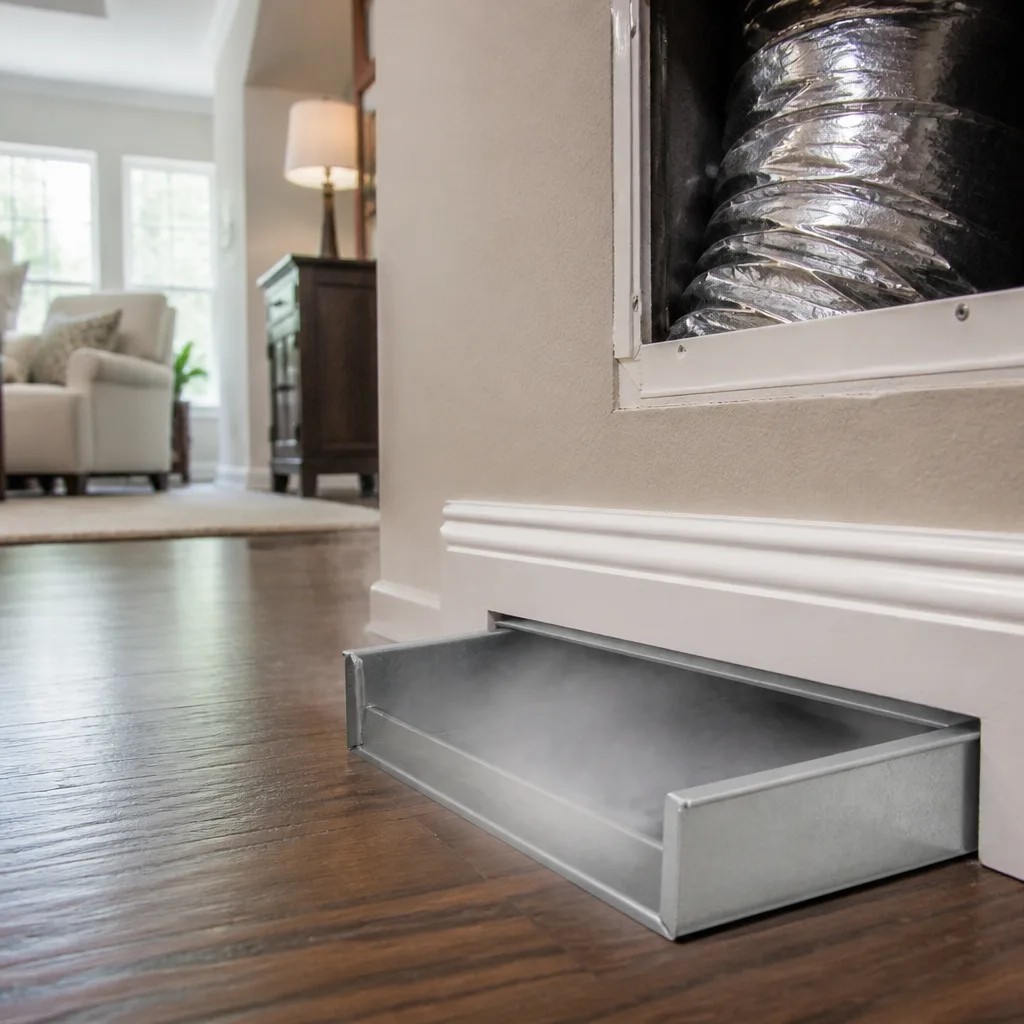 Sanitizing & deodorizing
Whole-system duct and dryer vent check with before-and-after photos - you see exactly what came out of your vents
That "$99 whole-house special" is a bait ad - the real number appears once they are in your hallway, or the "clean" is a shop-vac at the register. We photograph the inside of your ducts before and after instead.
How to Hire an Air Duct Cleaning Contractor in Lake Highlands: A Step-by-Step Guide
Texas does not require a license to offer air duct cleaning services. That single fact changes how you should shop for one. In most trades, a license number is the first thing you check, and if it’s missing you move on. Here, there’s no license to check, so the burden of vetting falls entirely on the homeowner. Most people don’t know what to ask, which is exactly why a crew with a shop vacuum can advertise the same services as a company running truck-mounted negative pressure. This guide walks you through the questions that separate the two before anyone touches your system. By the end, you’ll know what to ask on the phone, what to demand in the walkthrough, and what to put in writing. It’s written for Lake Highlands homeowners who’d rather hire correctly than hire twice.
Quick Answer
To hire an air duct cleaning contractor in Lake Highlands, ask three questions before you book: what equipment they use (truck-mounted negative pressure or portable), whether they belong to NADCA and hold ASCS certification, and whether they’ll inspect your system before quoting or after. A company that answers all three clearly, puts the scope in writing, and photographs the work before and after is the one worth hiring. A company that leads with a whole-house price below a hundred dollars is not describing air duct cleaning as a professional trade. It’s describing a surface pass with a vacuum.
Styles & brands we work with
- Whole-home duct cleaning
- Dryer vent cleaning
- Camera inspection
- Sanitizing & deodorizing
Table of Contents
- Why There’s No License to Check in Texas
- What Equipment Questions to Ask on the Phone
- NADCA Membership and ASCS Certification: The Minimum Bar
- What a $99 Whole-House Price Really Means
- How to Structure the Pre-Job Walkthrough
- Contract Terms to Require in Writing
- Why Cleaning Alone Sometimes Isn’t Enough
- How Often Ducts Actually Need Cleaning in Lake Highlands
Why There’s No License to Check in Texas
In Texas, air duct cleaning is not a licensed trade. There is no state board issuing a duct cleaning license, no exam, no continuing education requirement. That’s not a loophole anyone exploited. It’s simply how the state classifies the work. The practical consequence is that anyone with a van, a vacuum, and a business card can call themselves an air duct cleaning company, and the law has nothing to say about it.
Compare that to electrical work, plumbing, or HVAC installation, where a license number is public record and a homeowner can look it up in a few minutes. When you hire an electrician in Lake Highlands, the license is your first filter. When you hire a duct cleaner, there is no first filter. The filter has to come from you.
What actually separates a qualified operator from an unqualified one falls into two buckets:
- Equipment. A professional system uses negative pressure to keep debris out of living spaces while a mechanical brush or air whip scrubs the duct walls. A consumer-grade vacuum does neither.
- Accountability. Industry membership, technician certification, and written documentation all signal a company that expects its work to be examined.
Neither of those is enforced by the state. Both are things you can ask about directly. That’s what the rest of this guide covers. And because the burden really does fall on you, the questions below are the same ones we’d want a Lake Highlands homeowner to ask us.
The good news: the vetting takes about fifteen minutes on the phone. It’s not a research project. It’s a short list of questions with clear right and wrong answers.
What Equipment Questions to Ask on the Phone
Equipment is the single most revealing question you can ask, because a company either has the right tools or it doesn’t. There’s no middle ground and no way to fake it for long. Ask what they’ll bring to the house, and listen for specifics.
The two systems you’ll hear about
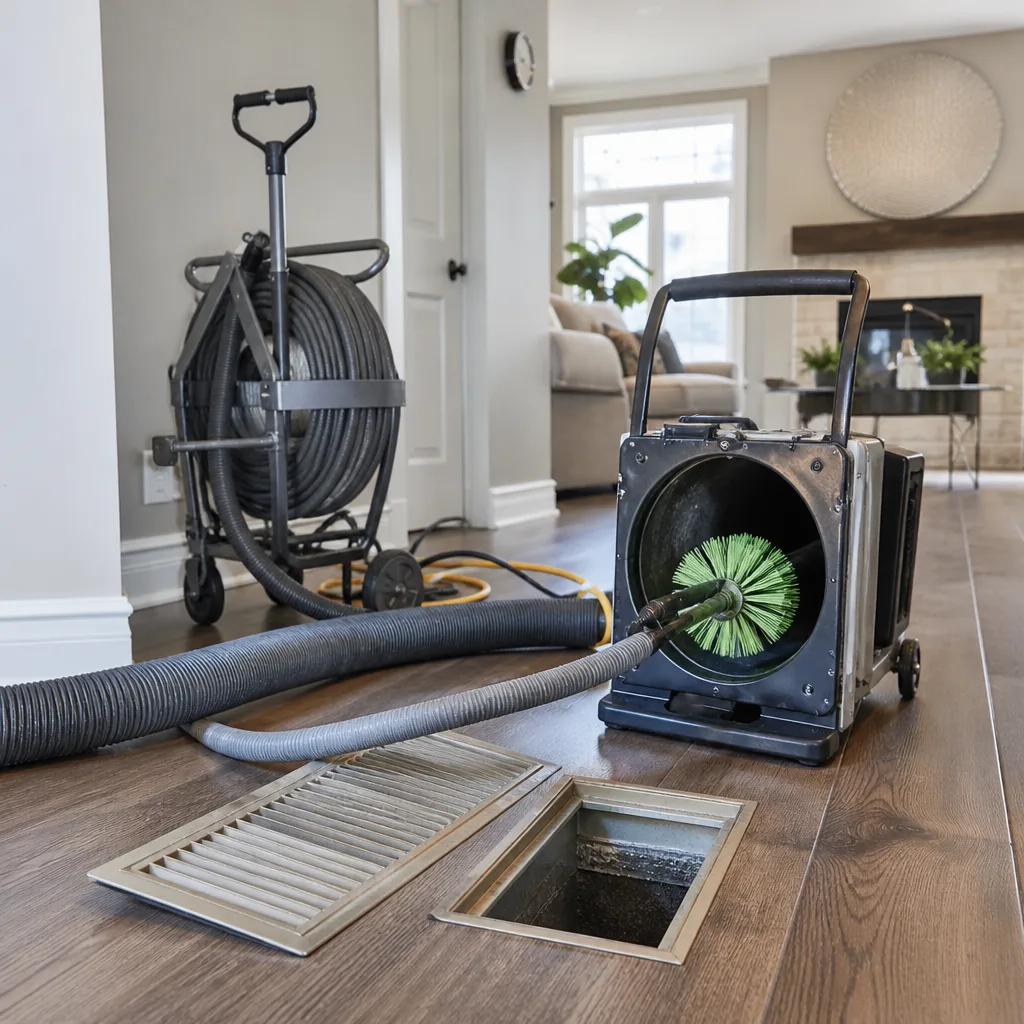
Portable units. These are self-contained machines that generate their own vacuum and filtration. Many are legitimate professional tools. Rotobrush and Nikro both make portable duct cleaning systems that certified remediation and HVAC contractors use every day. A portable system done right means the technician runs a negative-air machine with HEPA filtration at the return so dislodged debris is captured instead of pushed into your rooms.
Truck-mounted negative pressure. These systems park a large vacuum unit outside and connect it to your duct system by hose. The whole duct run is put under continuous negative pressure while a technician works a mechanical brush or air whip through each register. Debris is pulled outside, not recycled indoors. For a whole-house job, this is the heavier, more thorough approach.
Neither approach is wrong. What matters is whether the company runs real containment. Ask this directly: “Do you set up negative-air containment with HEPA filtration while you work?” If the answer is vague, that’s your answer.
Questions to ask before you book
- What brand of equipment do you use? (Rotobrush, Nikro, and Abatement Technologies are names worth hearing.)
- Is the system truck-mounted or portable, and what’s the CFM rating?
- Do you set up negative-air containment with HEPA filtration during the job?
- What size hose or brush fits my duct dimensions?
- Will you clean the plenum, the main trunk line, and the branch runs, or just the visible registers?
That last one matters. Some operators clean only what you can see when you shine a light into a register. A full-system approach covers the supply and return runs, the air handler, and the coils. If a company can’t describe the difference between a register and a branch run, they’re not doing the work you’re paying for.
This is the same standard we hold ourselves to. Our technicians use Rotobrush and Nikro systems for mechanical cleaning and Abatement Technologies units for negative-air containment, all professional-grade tools rather than consumer shortcuts. You should expect any company you hire in Lake Highlands to name their equipment the same way.
NADCA Membership and ASCS Certification: The Minimum Bar
Since Texas won’t check credentials, you have to. The National Air Duct Cleaners Association, known as NADCA, is the industry’s recognized trade body. It publishes a standard for how source removal should be done and audits members to some degree. It’s the closest thing to a consumer protection layer that exists in this trade.
NADCA membership is a floor, not a ceiling. A company that belongs is signaling that it has at least read the standard and agreed to work to it. Companies that have never heard of it, or dismiss it as a marketing expense, are telling you something else.
Beyond NADCA, look for technician certification. ASCS, the Air Systems Cleaning Specialist designation, is NADCA’s individual certification. It means the person certified has passed an exam on duct cleaning practice. Ask whether the technicians who’ll actually be at your house hold it, and how many do. A company where every technician holds ASCS is a different kind of company than one where only the owner does.
Here’s what to actually check when you’re vetting:
- Is the company a current NADCA member? You can check the NADCA member directory yourself.
- Do the technicians who’ll arrive at the house hold ASCS certification?
- Will the company provide proof of general liability insurance for the job?
- Does the company photograph before and after? A credentialed company documents its work.
- Is there a written scope, or a verbal one?
None of those is a license. Together they’re a reasonable proxy. A Lake Highlands homeowner who checks all five is far ahead of one who checked none.
What a $99 Whole-House Price Really Means
A whole-house air duct cleaning price under about a hundred dollars is not a discount on a full job. It’s a different service described with the same words. When you call, you’ll often hear that the flat price covers “up to ten vents,” and that your house has fourteen, so each extra vent is a per-vent charge. Then comes the add-on pitch: sanitizing, duct sealing, a new filter, a restoration treatment. The final invoice is three to ten times the advertised number.
The bait-and-switch works because it’s a pricing structure, not a mistake. The low number gets the phone to ring. The add-ons make the job profitable.
The honest alternative is a single flat price per system, agreed before work starts. That price should reflect the actual scope: number of registers, whether the air handler and coils are included, whether the plenum and trunk lines are cleaned, and how many systems the house has. A two-story home with two HVAC systems isn’t priced like a single-story with one. Neither is a house with a finished basement duct run versus an attic run.
What to watch for in any quote you receive:
- Per-vent pricing. A quoted price that changes per register is a pricing structure designed to change at the door. Prefer a flat price per system.
- Add-ons at the door. Sanitizing, sealing, and filters should be quoted up front if you want them, not sprung after the tech is in the attic.
- Unclear scope. If the quote doesn’t say how many registers are covered, it isn’t a scope. Ask for the number in writing.
- No inspection first. A quote given over the phone without a walkthrough is educated guessing. A quote given after a walkthrough is closer to real.
The rule of thumb: one flat price per system, agreed before work starts, in writing. If a company can’t offer that, the number they’re quoting isn’t the number you’ll pay.
How to Structure the Pre-Job Walkthrough
The walkthrough is where a company shows whether it actually inspects or just quotes. A proper walkthrough happens before the price, not after. It’s the fifteen or twenty minutes the technician spends learning your system before describing what cleaning it will involve.
Here’s what a thorough walkthrough covers, and what you should expect the technician to look at:
- Every register. The technician opens or looks into each supply and return register and notes condition, airflow, and visible debris.
- The air handler. They check the unit’s location, the filter condition, and whether there’s standing moisture or microbial growth on the coils or in the drain pan.
- The plenum and main trunk. They look at where the system connects, check for disconnected runs, and note whether the trunk is insulated or bare.
- The returns and any duct runs in attics or crawlspaces. Lake Highlands homes often have ductwork in the attic, where summer heat and condensation can degrade flex duct over years. A good technician notes the condition rather than ignoring it.
- The dryer vent. If the technician is on site and you haven’t had it checked, this is the moment. A dryer vent with lint buildup is a fire risk, and it falls squarely within what a duct specialist should look at.
- Any red flags. Rodent activity, moisture, disconnected joints, crushed flex runs. These aren’t a scare tactic. They’re information you should hear before the work starts, not after.
After the walkthrough, you should receive a written quote that includes the number of registers in scope, what’s included, what isn’t, and what it costs. If damage is found, that should be a separate line item you can approve or decline, not folded silently into the total.
Any company that quotes before walking the house is guessing. Any company that quotes without opening a register is not even guessing. Both are reasons to keep calling.
Contract Terms to Require in Writing
A written contract is the only thing you have after the technician pulls out of the driveway. Verbal promises don’t survive the job. Before work starts, confirm the following in writing, either in a formal agreement or at minimum an email you can keep.
- Scope of registers. How many supply and return registers will be cleaned. If a register isn’t in scope, know which ones and why.
- Air handler and coils. Whether the air handler, evaporator coil, and blower are included, or if they cost extra.
- Plenum and trunk line coverage. Explicitly state that the supply and return runs and main trunk are included, not just the visible registers.
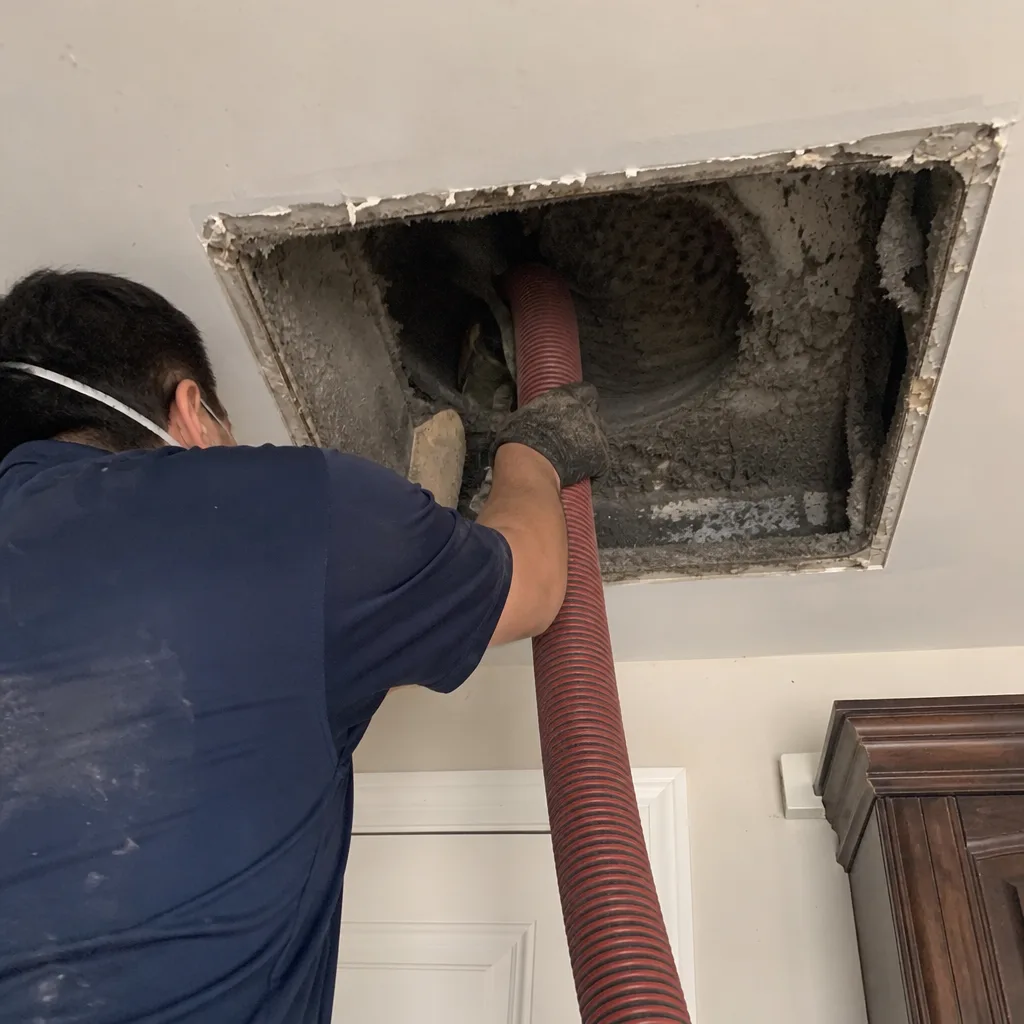
- Before and after documentation. The company should photograph each register, the plenum, and the air handler before and after. Ask that the photos be sent to you.
- What happens if damage is found. Disconnected runs, crushed flex, or compromised joints found during cleaning should trigger a documented finding, a written quote for repair, and your approval before any repair work proceeds.
- Final price. The written estimate sets the final price. Confirm in writing that the number won’t change unless you approve additional scope.
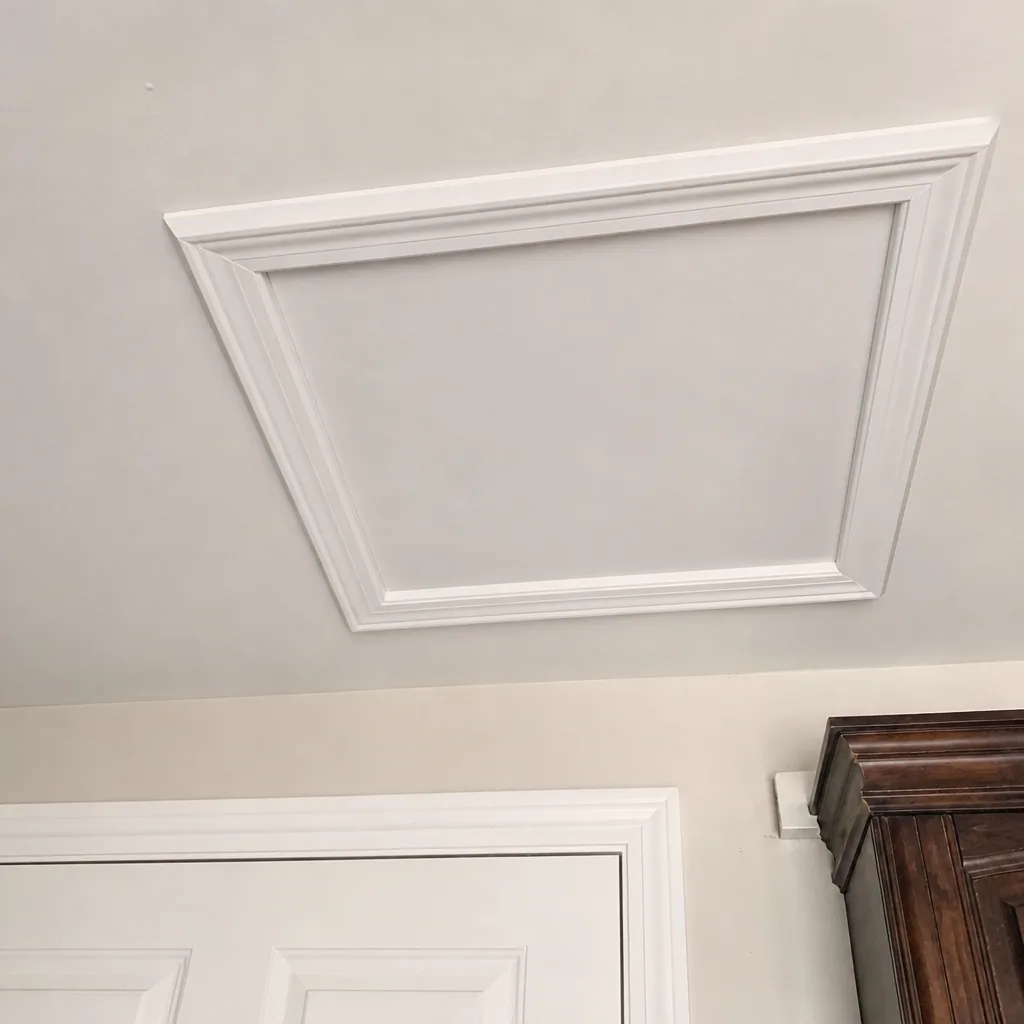
The before-and-after photo record is worth insisting on. It’s the difference between knowing the work was done and assuming it was. Ask to see the photos from the walkthrough compared with the photos from after the cleaning, and ask for a copy.
Also confirm, in writing, whether the company will do repair work itself or refer it out. A cleaning-only operator will refer disconnected flex duct and damaged joints to someone else, which leaves the system half-solved. A full-service operator handles the cleaning and the repair under one scope, in one visit. If a company can clean but can’t repair or seal, that’s a limitation you should know about before you book, not after.
Why Cleaning Alone Sometimes Isn’t Enough
Cleaning removes debris. It doesn’t fix leaks, disconnected runs, or crushed ductwork. A duct system that loses 20 or 30 percent of its airflow through unsealed joints is a duct system that will keep costing you money no matter how clean it is. In older Lake Highlands homes, some of that damage is decades old and invisible from the living room.
What the cleaning usually reveals:
- Disconnected flex runs. In attics, flex duct can pull apart at the boot or the collar. Air dumps into the attic instead of the room.
- Crushed or kinked flex. Duct that’s been stepped on or compressed cannot carry the airflow it was designed for.
- Failed tape and mastic. The old foil tape fails, and joints leak.
- Contaminated or failing insulation. Wet or damaged internal insulation is a problem cleaning can’t solve.
- Missing or damaged register boots. Gaps around the boot leak air into the wall cavity.
Repair and sealing are the difference between a clean system and a working one. When you hire a company that can also seal and repair, the fix happens in the same visit. When you hire a cleaning-only operator, the repair becomes a second call, a second contractor, and often a second bill. Ask any candidate whether they do duct repair and sealing themselves. If they don’t, and your walkthrough turns up a problem, you’ll be finding someone else anyway.
The same logic applies across the rest of your system. Cleaning reveals what’s going on inside the air handler and coils, which is why HVAC cleaning belongs in the same visit as duct cleaning. The dryer vent, too, is a safety matter with its own urgency. If your dryer runs hot or takes two cycles to dry a load, the vent is the first place to look, and dryer vent cleaning as a dedicated fire-safety service isn’t an upsell. It’s the reason the vent exists.
How Often Ducts Actually Need Cleaning in Lake Highlands
There’s no universal schedule. NADCA’s guidance points to cleaning when conditions warrant it, not on a fixed calendar. For most Lake Highlands homes, that works out to somewhere between every three and seven years, depending on what’s in the house and how the system is used.
Signals that it’s time:
- Visible dust or debris blowing from registers when the system kicks on.
- Musty or stale odors from the vents when the air is running.
- Allergy or respiratory symptoms that get worse indoors.
- Visible dust buildup on the return grille or the air handler filter within a few weeks of changing it.
- Recent remodeling, especially drywall work, that sent dust through the returns.
- Moving into a home where the previous owner’s duct cleaning history is unknown.
- Rodent activity in the attic or crawlspace, which means duct inspection is a priority, not a routine.
Lake Highlands’ long, hot summers keep HVAC systems running hard for much of the year, which means more air cycles through the ductwork than in milder climates. More cycles means more dust load over time, though that’s a general observation about run time, not a precise predictor. And when the system runs almost constantly for months, small leaks and disconnected runs cost real money on your electric bill season after season.
If you’re not sure whether your ducts need cleaning, the walkthrough will tell you. Get the inspection, see the condition of the registers, and decide based on what’s actually in the system. Don’t let a phone script talk you into a schedule. If you want to read more about what full-system cleaning involves, our air duct cleaning page covers the process from the register to the air handler.
Common Mistakes to Avoid
- Hiring on price alone. The cheapest quote in Lake Highlands is usually the one with the most add-ons attached. Price tells you what a company charges to start, not what the job will cost.
- Not asking about equipment. If you don’t know whether the company runs a negative-pressure containment system or a shop vac, you can’t evaluate the work. Ask.
- Skipping the walkthrough. A quote given over the phone without anyone looking at your ducts isn’t a quote. It’s an estimate built on a guess about your house.
- Accepting a verbal scope. “We’ll clean all the vents” means nothing if you can’t point to how many registers and which rooms are included. Get it in writing.
- Ignoring the air handler. A company that cleans the ducts and leaves the coils undisturbed has left the largest dust reservoir in the system alone.
- Assuming cleaning fixes leaks. If your walkthrough surfaces disconnected runs or crushed flex, cleaning alone won’t fix them. Confirm the company can do the repair or that you’ll hire separately.
- Forgetting the dryer vent. The dryer vent is a fire-safety system, not a routine cleaning task. If it hasn’t been checked recently, have it done during the same visit.
See the difference
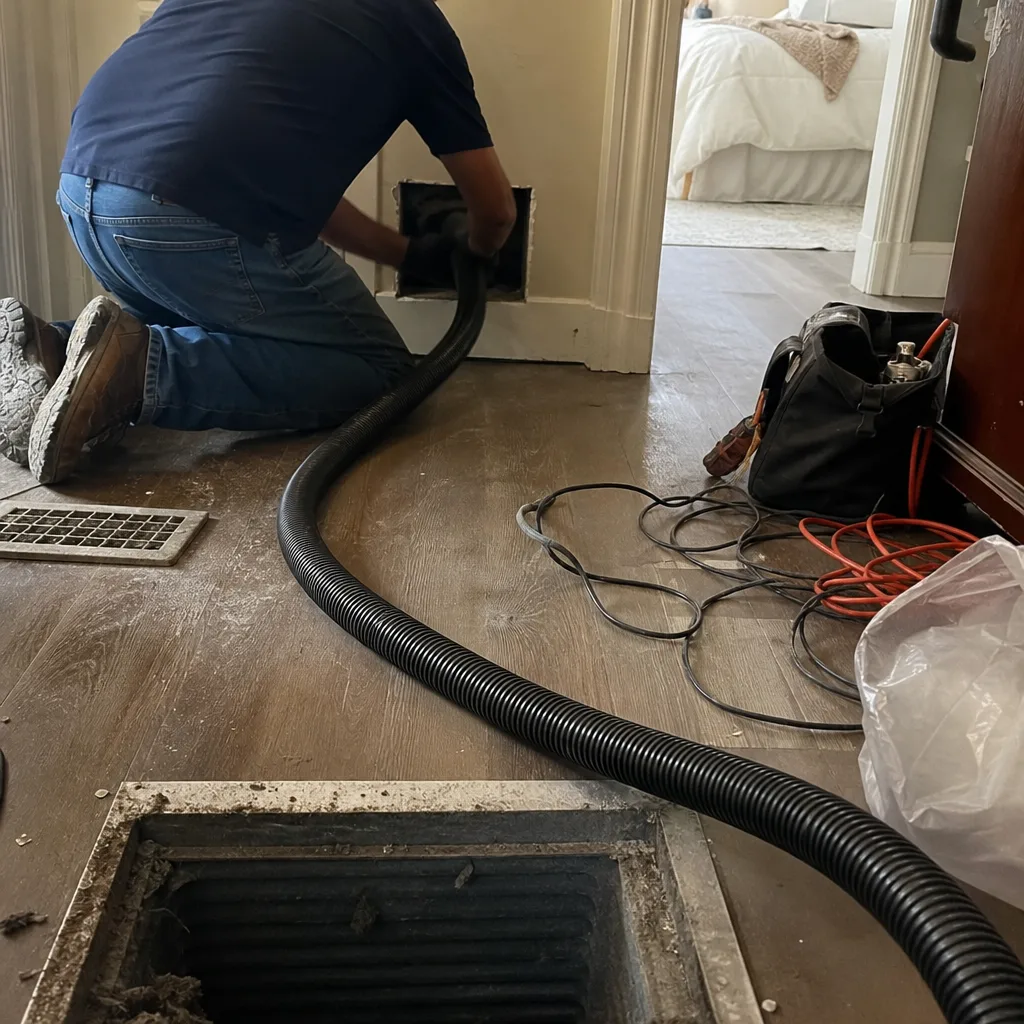 Before
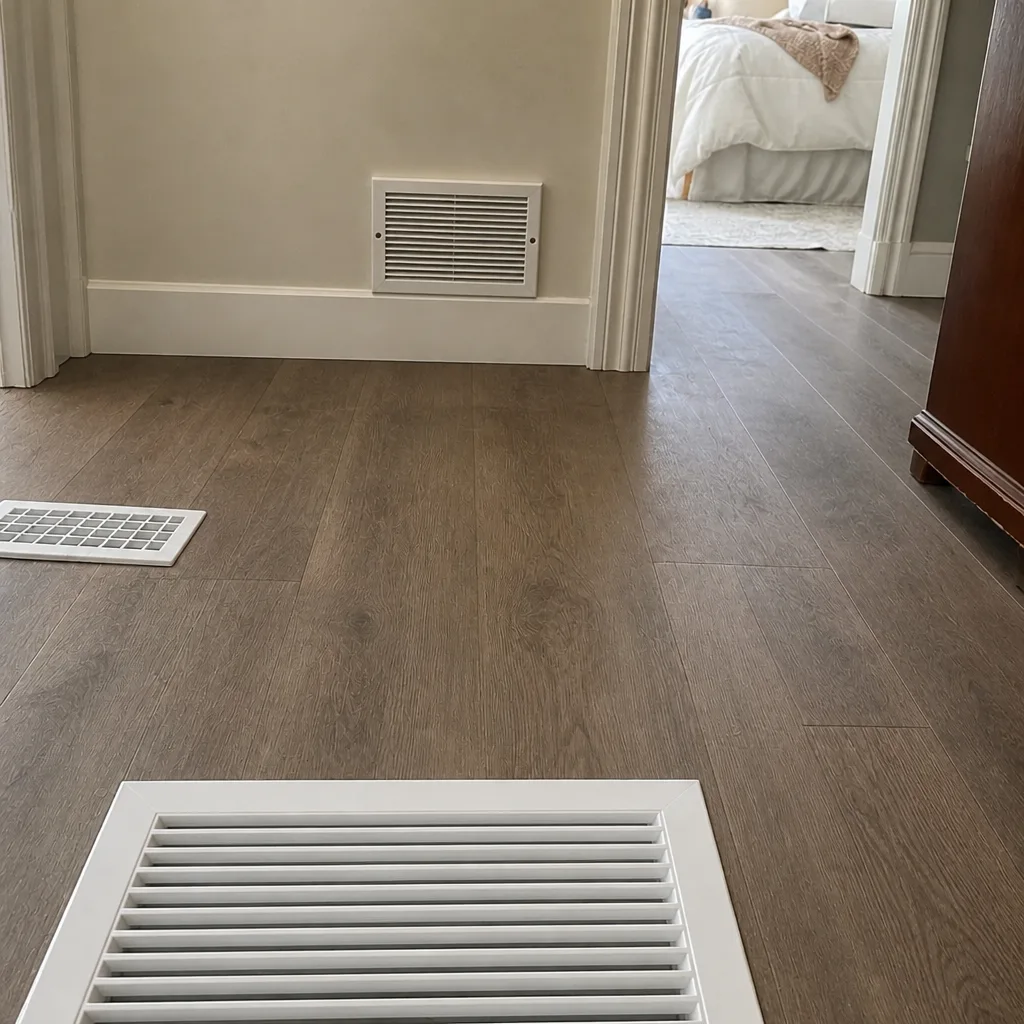 After
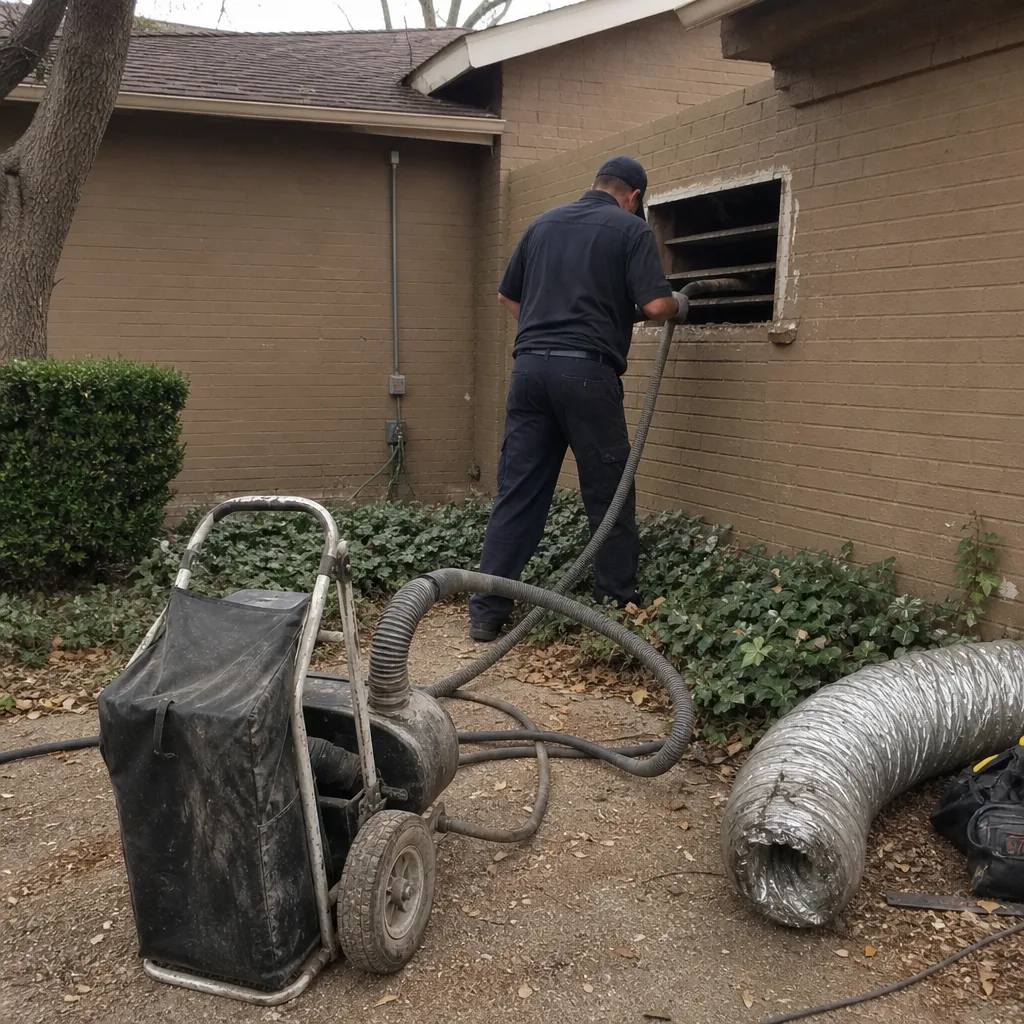 Before
 After
 Before
 After
When to Call a Professional
Some air quality problems are things you can address yourself: change the filter, keep the return clear, run a HEPA vacuum on a regular schedule. Others are not. Call a professional when you see dust blowing out of a register while the fan is running. Call when the return grille builds visible dust within a week or two of a filter change. Call when your utility bill climbs without an obvious cause, or when the house has a musty smell on the days the AC runs. Call if the previous owner’s duct history is unknown, or if there’s been remodeling that sent construction dust through the system. Call if you haven’t checked the dryer vent in years.
Air Duct Cleaning Lake Highlands offers free estimates in Lake Highlands. Call (833) 509-5459. We answer 24/7. Fast dispatch from 7am to 7pm, Sunday through Friday. The estimate is free, and the price is set per job by the written estimate.
Frequently Asked Questions
No. Texas does not license air duct cleaning, so there is no license number to verify. Instead, ask about NADCA membership, ASCS certification for the technicians who’ll do the work, and proof of general liability insurance. Those three together substitute for the license the state doesn’t require. Call (833) 509-5459 for an exact quote – estimates are free.
Pricing depends on the number of systems, registers, and whether repair work turns up. The honest approach is one flat price per system, agreed after a walkthrough, in writing. Whole-house pricing under about a hundred dollars is a different service than full-system cleaning, usually with per-vent add-ons stacked at the door. Get the walkthrough first, then the written price. Call (833) 509-5459 for an exact quote – estimates are free.
Because they’re quoting a different job. A sub-hundred-dollar whole-house quote typically covers a surface pass on visible registers, with per-vent charges above a low threshold and add-on pitches for sanitizing and sealing once the technician is in the house. A full-system cleaning includes the plenum, trunk line, and branch runs with negative-air containment. Same words, very different scope. Call (833) 509-5459 for an exact quote – estimates are free.
Ask for before-and-after photographs of every register, the plenum, and the air handler, and ask that they be sent to you. A company that documents its work expects to be checked. A company that doesn’t has nothing to check. Insist on the photos in writing before the job starts, not after. Call (833) 509-5459 for an exact quote – estimates are free.
There isn’t a fixed answer. NADCA recommends cleaning when conditions warrant, which for most homes works out to every three to seven years. The signals are visible dust from registers, musty odors when the AC runs, allergy symptoms that worsen indoors, or a recent remodel. Lake Highlands homes that run the HVAC hard through long summers cycle more air through the ducts than cooler climates, so dust load builds up with run time. Call (833) 509-5459 for an exact quote – estimates are free.
Not when it’s done properly. Negative-pressure containment and correctly sized brushes are designed to scrub without aggressive force. The greater risk is finding damage that’s already there: disconnected flex runs, crushed duct, and failed joints that a proper walkthrough and cleaning will surface. That’s why you want a company that also does repair and sealing, so the fix happens in the same visit. Call (833) 509-5459 for an exact quote – estimates are free.
The Bottom Line
Hiring an air duct cleaning contractor in Lake Highlands comes down to four things. Ask what equipment they use, and expect a name like Rotobrush, Nikro, or Abatement Technologies rather than a blank. Ask about NADCA membership and ASCS certification, because Texas won’t. Demand a walkthrough before the quote, a flat price per system, and a written scope that names the registers, covers the air handler, and includes before-and-after photos. Confirm whether the company can repair and seal what the cleaning reveals, or whether that’s a separate call. Every one of those questions exposes a company that doesn’t do the work. Every one of them lets a good one demonstrate it. For a full-service approach to the whole system, see our air duct cleaning services in Lake Highlands. To book a walkthrough or ask us the same questions, call (833) 509-5459. We answer 24/7. Fast dispatch from 7am to 7pm, Sunday through Friday.
Written by the team at Air Duct Cleaning Lake Highlands.